Event JSON
{
"id": "69678f45d9f48fa238a9295dbc3318c1c57fdb070bd3a13e73872923531ea09f",
"pubkey": "058c93e803b26a00084fa8e8d397c80716b42889faaf05397e230f4aea2d35da",
"created_at": 1783350053,
"kind": 1,
"tags": [
[
"t",
"planetaryscience"
],
[
"t",
"space"
],
[
"t",
"science"
],
[
"imeta",
"url https://files.mastodon.social/media_attachments/files/116/873/628/961/575/403/original/a1dbdadb772f44aa.jpeg",
"m image/jpeg",
"dim 1024x823",
"blurhash UMBzC4xu00WB_3%MD%IUWCt7ayM{WBayj[ay"
],
[
"proxy",
"https://mastodon.social/users/setiinstitute/statuses/116873629099021555",
"activitypub"
],
[
"client",
"Mostr",
"31990:6be38f8c63df7dbf84db7ec4a6e6fbbd8d19dca3b980efad18585c46f04b26f9:mostr",
"wss://relay.ditto.pub"
]
],
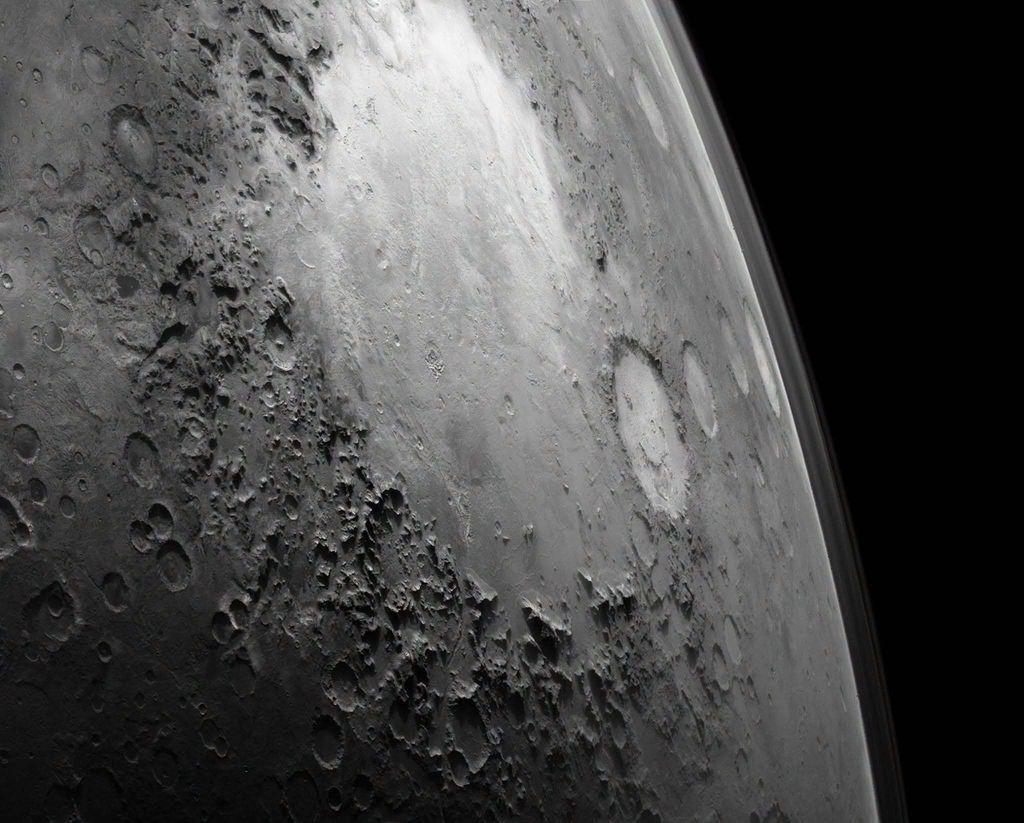
"content": "PPOD: Mars' Argyre Basin, an 1800 km-wide impact crater in the southern hemisphere, is probably the best-preserved large impact basin in the Solar System. This oblique image, taken looking northeast across the crater, was taken by Viking Orbiter 1 on July 25, 1976. Credit: NASA \n\n#planetaryscience #space #science\n\nhttps://files.mastodon.social/media_attachments/files/116/873/628/961/575/403/original/a1dbdadb772f44aa.jpeg",
"sig": "7a3eedb2e0d3ab4f4e36eeadd28bed692a8129f622c7a6977a89335dadadade9255d8a281082d02553dedfe9b8402cd572598b588f99e898d74dc4c61211fbc0"
}