Event JSON
{
"id": "6a0bd89ca3dd273132f14057ed2632587f3c32afbd71274a8def62481031ba2b",
"pubkey": "058c93e803b26a00084fa8e8d397c80716b42889faaf05397e230f4aea2d35da",
"created_at": 1790953359,
"kind": 1,
"tags": [
[
"t",
"PPOD"
],
[
"t",
"space"
],
[
"t",
"science"
],
[
"t",
"planetaryscience"
],
[
"t",
"moon"
],
[
"imeta",
"url https://files.mastodon.social/media_attachments/files/117/371/919/274/799/838/original/060f2a4d16055c6d.jpeg",
"m image/jpeg",
"dim 1024x1024",
"blurhash U26a-ct74nofM{WBt7WB00of?boft7WBj[fQ"
],
[
"proxy",
"https://mastodon.social/users/setiinstitute/statuses/117371919381844336",
"activitypub"
],
[
"client",
"Mostr",
"31990:6be38f8c63df7dbf84db7ec4a6e6fbbd8d19dca3b980efad18585c46f04b26f9:mostr",
"wss://relay.ditto.pub"
]
],
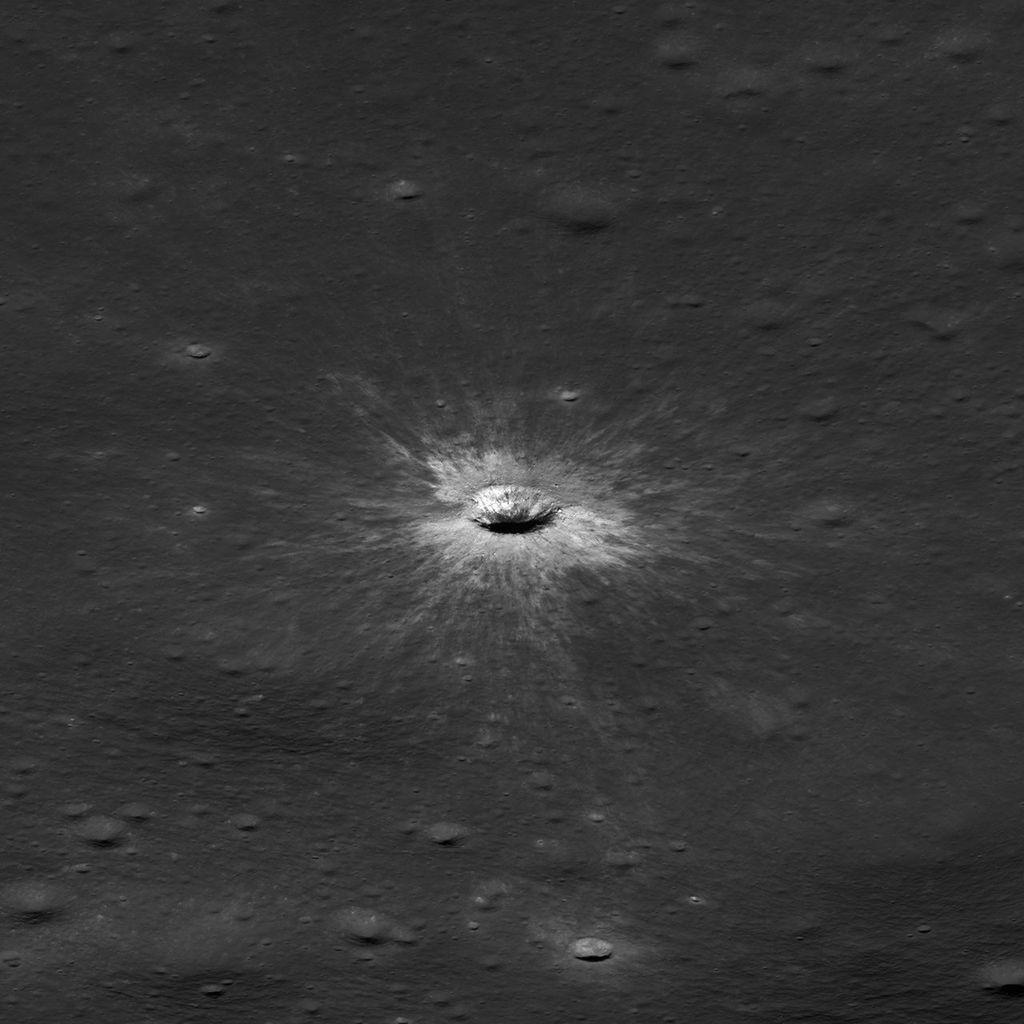
"content": "#PPOD: A large new scar has appeared on the Moon. McGetchin crater formed sometime between April 11 and May 22, 2024, when an asteroid or comet roughly the size of a multi-story building slammed into the lunar surface. At about 222 meters wide and 43 meters deep, it is the largest newly formed crater yet discovered in the solar system. Credit: NASA Goddard/Intuitive Machines\n\n#space #science #planetaryscience #moon\n\nhttps://files.mastodon.social/media_attachments/files/117/371/919/274/799/838/original/060f2a4d16055c6d.jpeg",
"sig": "86e876d2337746fe468301c88001987747431d9535146a96a3a0f05e0bec44debf88a40c8698e89b6ba5c4badfbd91f1b9b98f2b9ae244921dc6be5c01ac3c09"
}