Event JSON
{
"id": "38c1c438288f8cdc5e25cbb8931e4997c8bcc69e7910cba37f9a1838de3588b7",
"pubkey": "b8e3f46c9cb8baa39ab3dd96c1a8826a59433f733c4499ba11c2bae67352eab2",
"created_at": 1791320963,
"kind": 1,
"tags": [
[
"imeta",
"url https://i.poastcdn.org/d8/bb/df/d8bbdf8206f4a91dfce5d5826500df6b76c46f05aa3cc1cd9e57a7304bf041e3.jpg",
"m image/jpeg",
"dim 968x726",
"blurhash VHFYb~%Q4:aGIW%Lj]M|oHRj02t0xtR:j=%2xaocNGWV"
],
[
"imeta",
"url https://i.poastcdn.org/b9/1e/e1/b91ee1d965dafd1cc004824eb8055b685da2118381d51bffa3e85af974e79569.jpg",
"m image/jpeg",
"dim 4000x3000",
"blurhash d3C%20rW00WU_N9Z9GWA004.xus:E1Iobbt6?HMxof%M"
],
[
"imeta",
"url https://i.poastcdn.org/cf/34/9a/cf349a8088a1111de30ff4c62d1fb9c52552dbaae5e35a73f3b44f8c0e476aab.jpg",
"m image/jpeg",
"dim 4000x3000",
"blurhash d7BMug-fD$^$~osjxuW99YIVtTE2%LIVNMRR-:M{R.WB"
],
[
"imeta",
"url https://i.poastcdn.org/27/0f/0c/270f0ca4603db06b5e5e93150d39729477717f3377131728209fd94f23be2a68.jpg",
"m image/jpeg",
"dim 967x726",
"blurhash V8GlFuW94-V@IU~qInayxuRjIUM{oft7ayRjofazWBoe"
],
[
"proxy",
"https://poa.st/objects/cd9a8c33-91da-4200-aff6-4fe6dd60483d",
"activitypub"
],
[
"client",
"Mostr",
"31990:6be38f8c63df7dbf84db7ec4a6e6fbbd8d19dca3b980efad18585c46f04b26f9:mostr",
"wss://relay.ditto.pub"
]
],
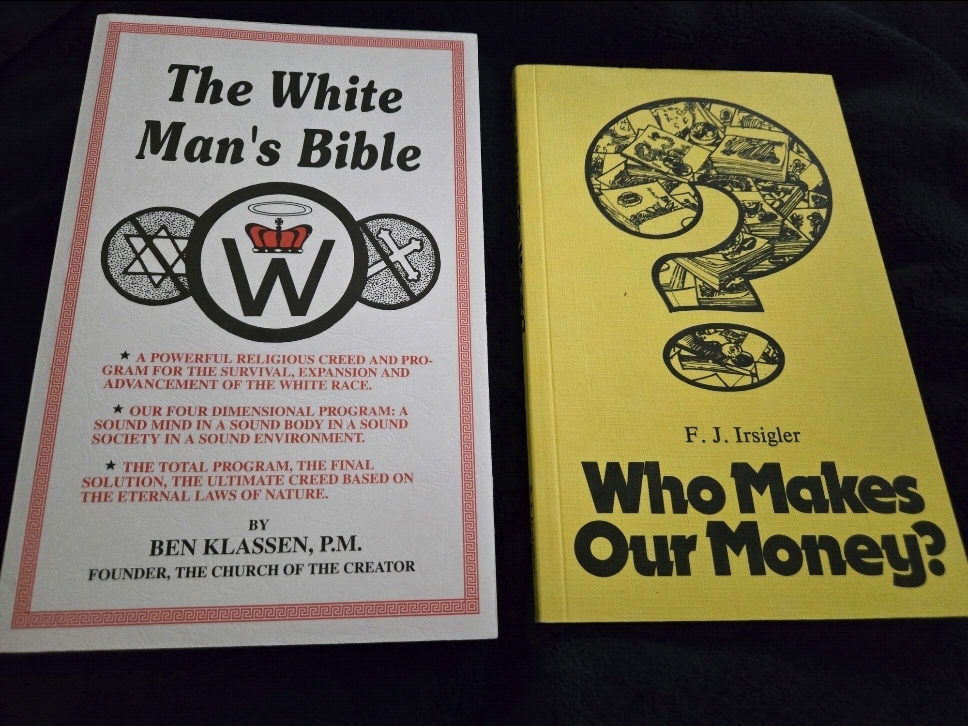
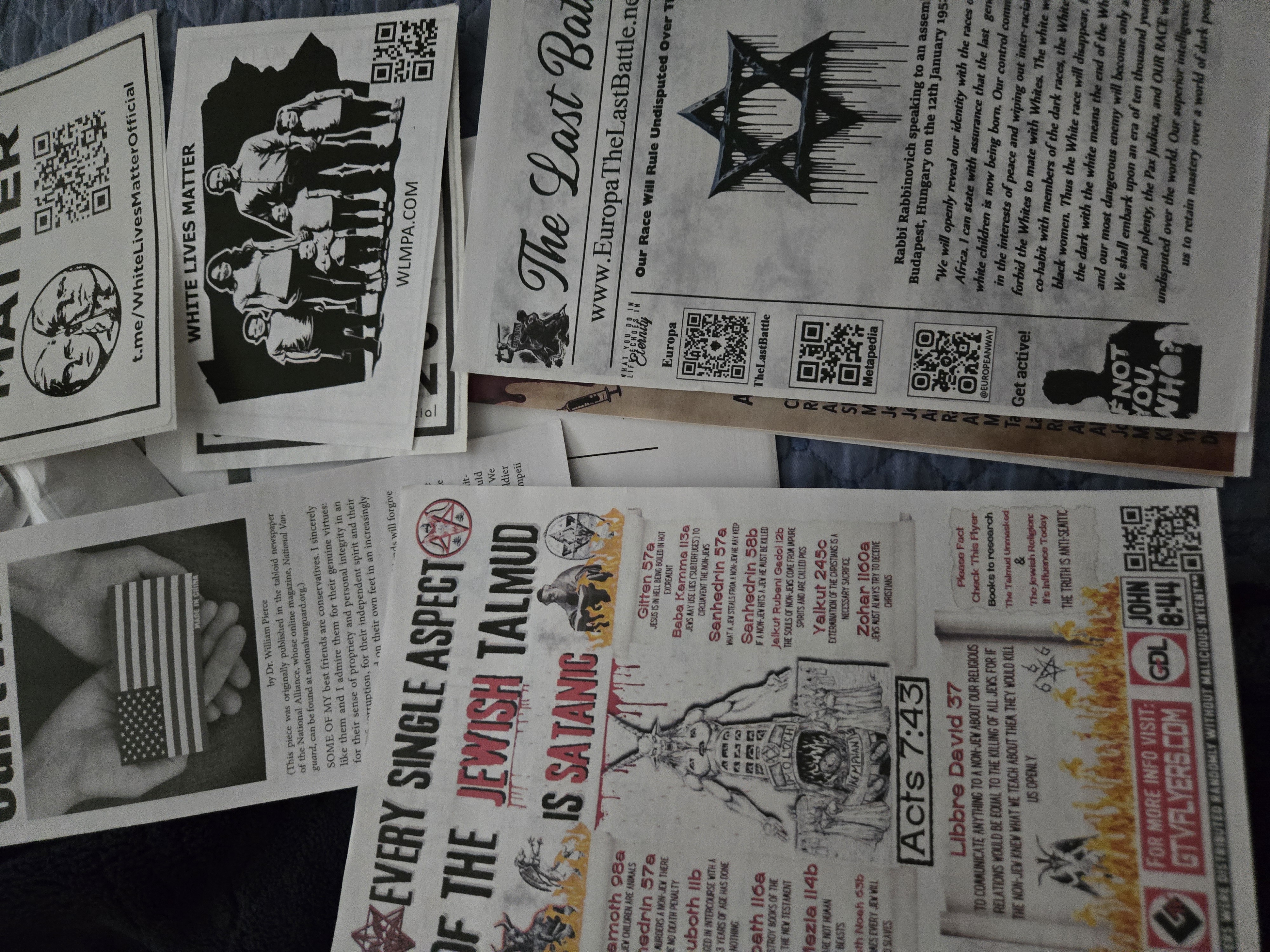
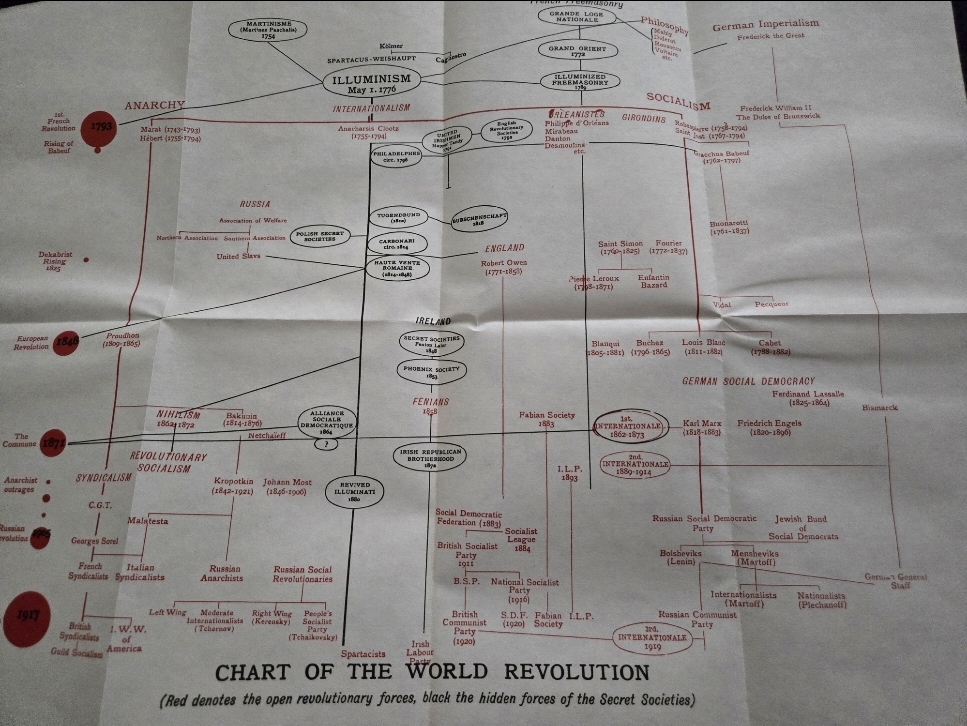
"content": "Two New book added to my dissident library. Very rare books. Took a while to come and bravewhitebooks sent me extra goodies and a free book for it being delayed so long. Awesome stuff.\n\nHuge shout out to them for this\n\nYou can find them at\n\nhttps://bravewhitebooks.com/\n\nThe White Man's Bible is a 366-page book by Ben Klassen, published in 1981 and serving as the second holy text of the Creativity religion for the Church of the Creator. It acts as a sequel to Klassen's Nature's Eternal Religion, expanding the religious program to include physical health, environmental protection, and social organization.\n\nThe book outlines a \"four-dimensional program\" aiming for a sound mind in a sound body in a sound society in a sound environment. It details the Racial Religion of Creativity, which Klassen describes as based on the eternal laws of nature and the preservation of the White race. Key themes include the promotion of salubrious living (a specific diet and lifestyle), and the assertion that White people are the sole builders of civilization.\n\nThe text advocates for racial polarization and defines Jews and black people as natural enemies of the White race. It includes instructions on defensive warfare (referred to as RaHoWa or Racial Holy War) and promotes the idea that the White race is an endangered species facing extinction through miscegenation and liberal humanitarian values.\n\n\"Who Makes Our Money?\" by F. J. Irsigler is a controversial book that argues the love of money and the men who control it are the root of all evil, asserting that usury has influenced major world events over the past three centuries.\n\nThe book, originally published in 1980, is described as a \"revisionist survey\" that examines the role of Jewish financiers in historical events, including the American War of Independence, World Wars I and II, and the financing of the communist revolution. It covers topics such as the CIA, the press, paper money, and the Soviet Union's industrialization. Critics have labeled the work as \"right-wing\" or \"BNP style propaganda\" on banking, while others note its specific focus on conspiracy theories regarding global finance and power structures.\n\nhttps://i.poastcdn.org/d8/bb/df/d8bbdf8206f4a91dfce5d5826500df6b76c46f05aa3cc1cd9e57a7304bf041e3.jpg\nhttps://i.poastcdn.org/b9/1e/e1/b91ee1d965dafd1cc004824eb8055b685da2118381d51bffa3e85af974e79569.jpg\nhttps://i.poastcdn.org/cf/34/9a/cf349a8088a1111de30ff4c62d1fb9c52552dbaae5e35a73f3b44f8c0e476aab.jpg\nhttps://i.poastcdn.org/27/0f/0c/270f0ca4603db06b5e5e93150d39729477717f3377131728209fd94f23be2a68.jpg",
"sig": "e6e05489a1e5cca40fbb26e78764ee004349efd0d77c9ac2b50c9fc2624aeb7f01b728b172a17f45bd80e5a5690a81745cce111b7b649e5450e2a4bd751abad2"
}