Event JSON
{
"id": "161fe35b76dfb7b2fb12f9308ac0642a2c3f4b429fb0e34a05565568514e5da5",
"pubkey": "058c93e803b26a00084fa8e8d397c80716b42889faaf05397e230f4aea2d35da",
"created_at": 1792595008,
"kind": 1,
"tags": [
[
"t",
"PPOD"
],
[
"t",
"astronomy"
],
[
"t",
"space"
],
[
"t",
"science"
],
[
"imeta",
"url https://files.mastodon.social/media_attachments/files/117/479/506/156/373/282/original/c0b799388da640a9.jpeg",
"m image/jpeg",
"dim 1200x1200",
"blurhash UGAlhRbJ56I.xbo3R%WA0yn$-Vs;I:oLxaj]"
],
[
"proxy",
"https://mastodon.social/users/setiinstitute/statuses/117479506476909286",
"activitypub"
],
[
"client",
"Mostr",
"31990:6be38f8c63df7dbf84db7ec4a6e6fbbd8d19dca3b980efad18585c46f04b26f9:mostr",
"wss://relay.ditto.pub"
]
],
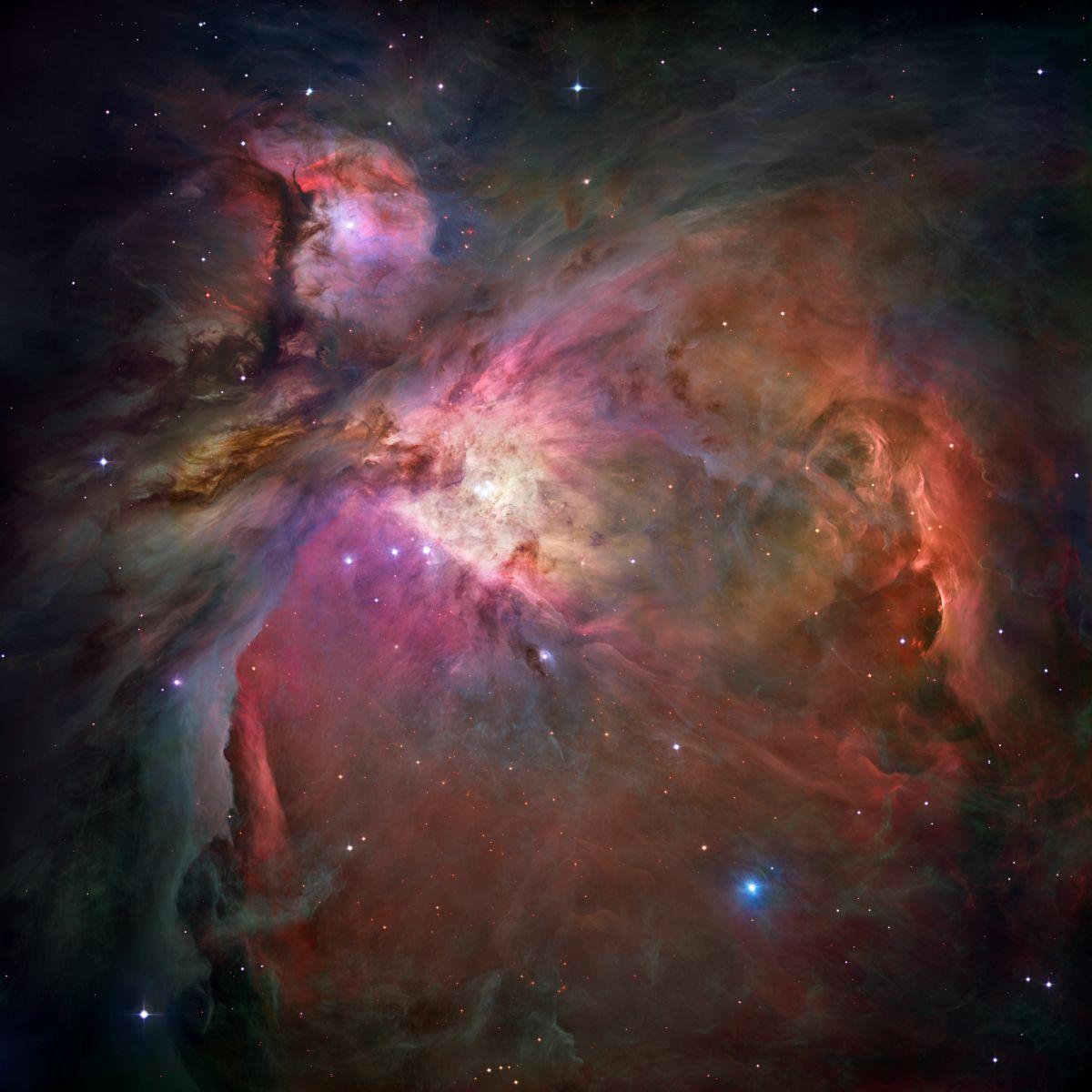
"content": "#PPOD: This spectacular mosaic, released in 2006, brings the Orion Nebula to life as one of the most detailed portraits ever captured of this nearby stellar nursery. Combining observations from NASA's Hubble Space Telescope, the image reveals more than 3,000 stars embedded in a vast landscape of glowing gas and dark dust, approximately 1,500 light-years from Earth. Credit: NASA, ESA, M. Robberto (STScI/ESA), and the Hubble Space Telescope Orion Treasury Project Team \n\n#astronomy #space #science\n\nhttps://files.mastodon.social/media_attachments/files/117/479/506/156/373/282/original/c0b799388da640a9.jpeg",
"sig": "9671d5f93e4732b401260da021ee4c34217a3732c2e7d0762c2381aff9ff639ecf55402ae2191e4a13630aefabfdef05dc4c33ac4f88ba91b7a50c9c9376e751"
}