Event JSON
{
"id": "9f2d194345da495baf01956943001359b88cdd204dd3b3b97e97947e16d86f87",
"pubkey": "9c8a6f962c1e223d2fc6990c3f9dd3209d8620624b522c692aa1542d9da71813",
"created_at": 1736189029,
"kind": 1,
"tags": [
[
"t",
"space"
],
[
"t",
"astronomy"
],
[
"t",
"pluto"
],
[
"t",
"charon"
],
[
"t",
"planetaryscience"
],
[
"t",
"kbo"
],
[
"t",
"kuiperbelt"
],
[
"t",
"outersolarsystem"
],
[
"imeta",
"url https://media.astrodon.social/media_attachments/files/113/782/878/815/765/603/original/b8b5c7fae9810984.png",
"m image/png",
"dim 1200x675",
"blurhash UL96N~oe0}NaR+WVoLxFNHWVxGs.s.oLWVR+"
],
[
"proxy",
"https://astrodon.social/users/JohnBarentine/statuses/113782884259076721",
"activitypub"
]
],
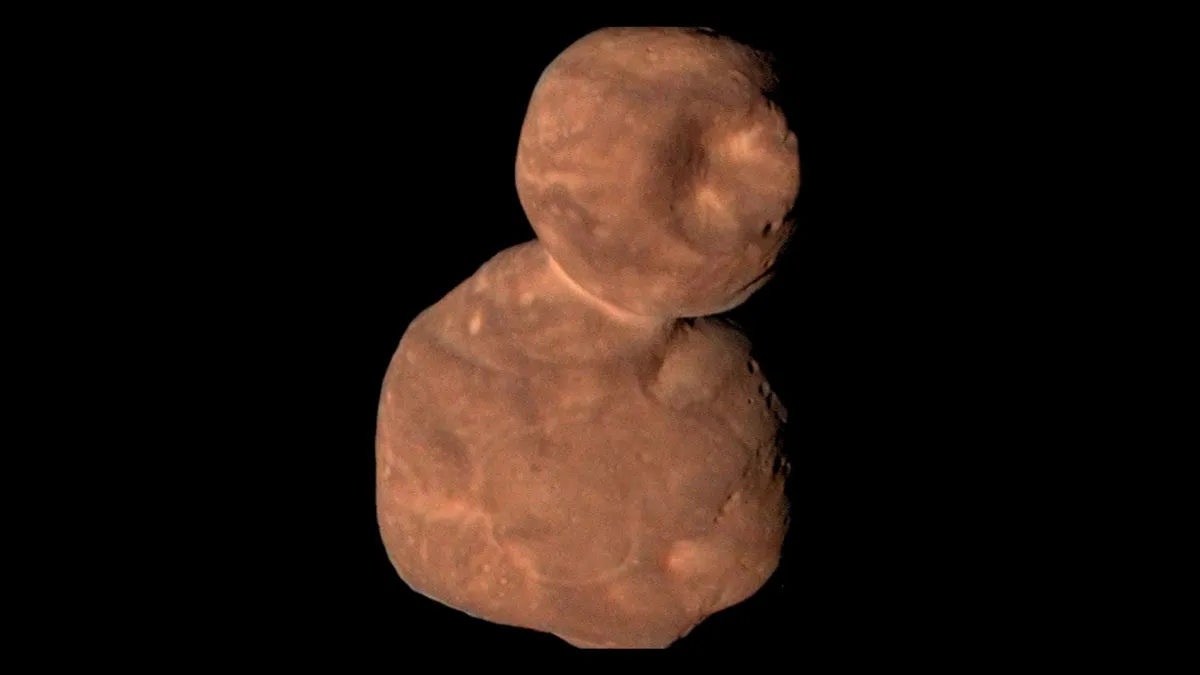
"content": "Interesting results: a \"kiss-and-capture\" origin for the Pluto-Charon system. https://www.nature.com/articles/s41561-024-01612-0\n\nI'm no dynamicist, but it sounds like the same scenario that probably resulted in the observed structure of Arrokoth. (Except they stuck together.)\n\n#Space #Astronomy #Pluto #Charon #PlanetaryScience #KBO #KuiperBelt #OuterSolarSystem\n\nhttps://media.astrodon.social/media_attachments/files/113/782/878/815/765/603/original/b8b5c7fae9810984.png",
"sig": "d353b10b36bd9a6639fa941c1080e0975536d3bbe249b687c87605fd704cd339d2d73e148f2ce114d48251bcff409c1f5330743c55e1e6cc579c113d392f8641"
}