Event JSON
{
"id": "5e94e1423dffa69341da2af0a07ab628e4ff53b9d2e510eab1598300093f19a6",
"pubkey": "509c345f0518ca1421ba9f26a98ac6b0b6f884b1874ed9c20320fd41158313e4",
"created_at": 1792089621,
"kind": 1,
"tags": [
[
"imeta",
"url https://files.mastodon.social/media_attachments/files/117/446/385/357/547/031/original/f97b5036c6b481f2.jpg",
"m image/jpeg",
"dim 1152x648",
"blurhash URE.-H-6q?NbxsozR-f7V=f+R.jZR5j[bvax"
],
[
"proxy",
"https://mastodon.social/users/arstechnica/statuses/117446385430794334",
"activitypub"
],
[
"client",
"Mostr",
"31990:6be38f8c63df7dbf84db7ec4a6e6fbbd8d19dca3b980efad18585c46f04b26f9:mostr",
"wss://relay.ditto.pub"
]
],
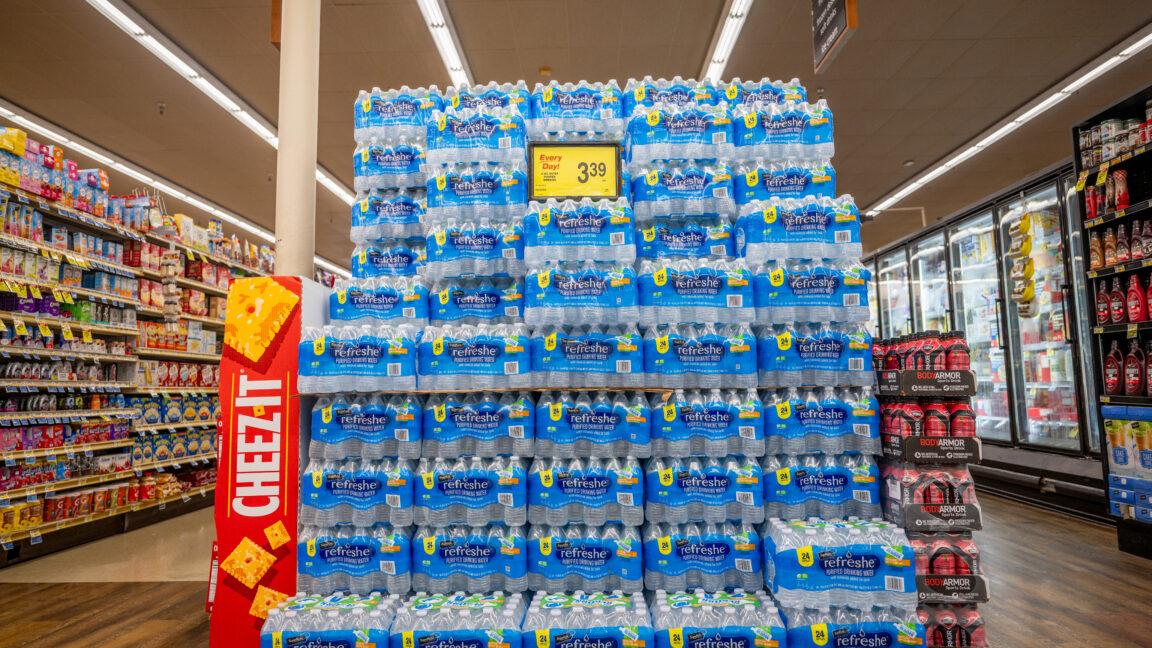
"content": "Microplastics in water aren’t inert and make damaging chemicals on their own\n\nIts effect on people remains an ongoing question.\nhttps://arstechnica.com/science/2026/10/microplastics-in-water-arent-inert-and-make-damaging-chemicals-on-their-own/?utm_brand=arstechnica\u0026utm_social-type=owned\u0026utm_source=mastodon\u0026utm_medium=social\n\nhttps://files.mastodon.social/media_attachments/files/117/446/385/357/547/031/original/f97b5036c6b481f2.jpg",
"sig": "ffb4c016a04c02da967c6d519a471aa5298ebab089d99781b0b3a4e1e2eb7152ec38bbd8f5ed44453ab7868dad77e7605023d97e80972783c20ed15f7c068a31"
}