Learning to accept the no-go decision
Air Facts Journal
I’ve obviously done something to upset Mother Nature this year. There’s no other explanation for what I can confidently say is my worst streak of canceled flights in 30 years as a pilot. Here are the four most noteworthy examples from a brutal five-month stretch:
A trip to Chicago was scrubbed by massive thunderstorms that blanketed the Midwest from Dallas to Detroit, with tops to 50,000 feet and no gaps of any significant size. A one hour flight became a 5 ½ hour drive through grinding traffic.
A trip to Toronto was canceled because of widespread in-flight icing, gusty winds, and scattered thunderstorms. Driving was not a realistic option, so I booked an airline flight, only for it to be canceled (also due to weather). The trip never happened.
A trip to Virginia came apart after a fast-moving cold front threw up a whole mess of weather. A two-hour flight became five hours of connecting airline flights plus an hourlong drive at the end.
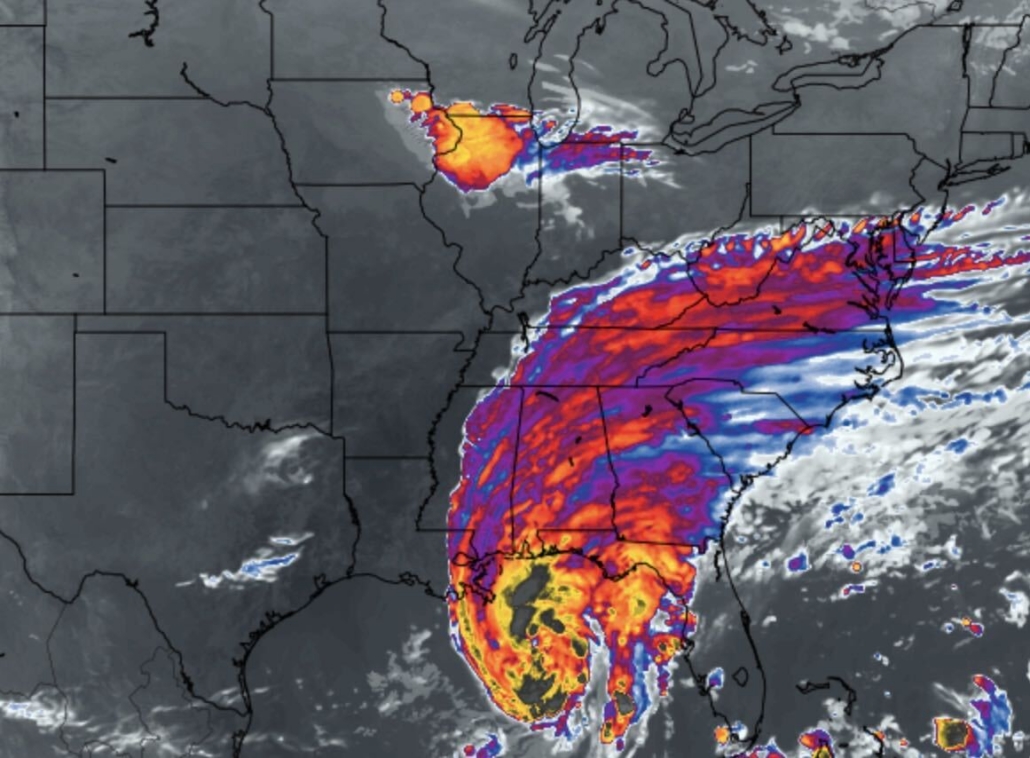
The coup de grâce was a trip to Orlando that was canceled by, of all things, a hurricane. In a year where the Atlantic was shockingly quiet, the one storm that did form managed to come on shore the day we were leaving and then park itself directly between our departure and non-refundable park tickets in Florida. That meant another canceled GA flight and last minute airline tickets.
My trip to Orlando was canceled by a hurricane in a year where the Atlantic was shockingly quiet.
Nobody likes changing plans, but trust me when I say I hate to cancel flights. For me, flying is all about travel—airplanes are made to go places, so I like to do just that. As I’ve written before, I find a well-executed IFR flight to a destination 400 miles away to be more thrilling than an airshow. I’m no cowboy but I am happy to use my instrument rating; my motto is “never sacrifice safety, but sometimes sacrifice comfort to get the job done.”
I especially hate to cancel flights with passengers on board, and all four of these trips had full airplanes. That meant inconveniencing more people, spending more money on airline tickets, and juggling more complicated schedules. Still, even a stubborn pilot like me had to admit that none of these flights offered much hope. In retrospect, the decisions were fairly obvious.
“The weather always wins.”
I find a well-executed IFR flight to a destination 400 miles away to be more thrilling than an airshow.
So why should you care about my summer of frustration? It’s easy to dismiss this as a bad stretch of bad luck, but every canceled trip offers a chance to evaluate our decision-making process. Debriefing a no-go decision is just as valuable as debriefing a successful flight. Here are some lessons about traveling by light airplane that I’m reviewing.
The weather always wins. I have the privilege to fly some capable airplanes, including a Pilatus PC-12 and a Cirrus SR22. These can handle some weather, and over the years I have slogged through ice, dodged thunderstorms at 27,000 feet, and landed in 40-knot winds. Unfortunately, no airplane can overcome severe thunderstorms, widespread moderate ice, and hurricanes. Sometimes you just have to accept defeat. That much was obvious when my airline flight to Toronto was canceled—if the pros aren’t going, it’s probably a clue that your GA trip wasn’t meant to be.
You can’t let frustration impact your decision-making. By the time of the Orlando trip, I was so tired of canceling that I really wanted to make the flight happen, one way or another. Get-there-itis? You bet. I was like a baseball player in a major slump, wildly swinging at every pitch in a desperate attempt to make contact—I even considered roundabout routing and ludicrously low cruising altitudes to get to Florida. That’s no way to make a go/no-go decision, though. The hurricane really doesn’t care how many trips you’ve canceled (or how much you spent on park tickets), so each decision has to be made independently. This is obvious, but it takes discipline to remove your emotions and stick to the facts when you’re staring at packed bags.
Smart pilots build in schedule flexibility. Our family specializes in fitting complex trips into busy schedules. With one kid in college, another in high school, and a demanding career, there’s often no other way—and GA makes such trips possible. The key word there is possible. In hindsight, some of the trips above were foolishly tight, often giving us no more than a two-hour window to depart. That feels like a miracle when it works, but it leaves absolutely no room for error. An ATC delay or even a slow fuel truck can ruin such carefully laid plans. Flying GA demands we build in more flexibility, and I lost sight of that. While two or three hours would not have been enough to change the outcome for me, 24 hours would have made most of these flights a go. Sometimes adding a day on either side is the right answer from the outset.
Flying GA is supposed to be fun. This is the most important lesson, but it was the last one to occur to me. If a flight is threatening to become all work and no play—for example, if you spend four days leading up to a trip stressing about weather instead of thinking about vacation—then it’s time to start driving or book Delta. Sure, flying yourself can be efficient and occasionally economical, but above all, it has to be rewarding. And yet the fun factor didn’t play much of a role in my decisionmaking.
The light bulb moment came on one of the trips that ended up as an airline flight: I noticed that as soon as I booked the tickets, I started to relax. Instead of working on fuel calculations or reviewing the latest forecasts, I took a breath and focused on the destination. What felt like a total defeat before the decision changed almost instantly to a feeling of peace. That was a sign that I had made the right decision, and probably a gentle nudge that I should have made it sooner. So I’ve added a new step to my preflight planning process: if canceling brings instant relief rather than regret, the no-go decision has already been made subconsciously. Listen to it.
“If canceling brings instant relief rather than regret, the no-go decision has already been made subconsciously. Listen to it.”
Having some airline miles stored up can make the no-go GA/go airline decision a little easier.
Bonus tip: have some frequent flyer miles stored up. I am certainly not here to offer advice on the right credit card or the right airline loyalty program, and your mileage may vary on this one (no pun intended). Having said that, I’ve found that having some Delta SkyMiles stored up can make the no-go GA/go airline decision a little easier. If you can buy a last minute airline ticket with 50,000 miles instead of $1000, the decision might be a little less painful. No, the miles aren’t really “free,” but emotionally it feels that way and having this insurance policy has certainly helped me in the past.
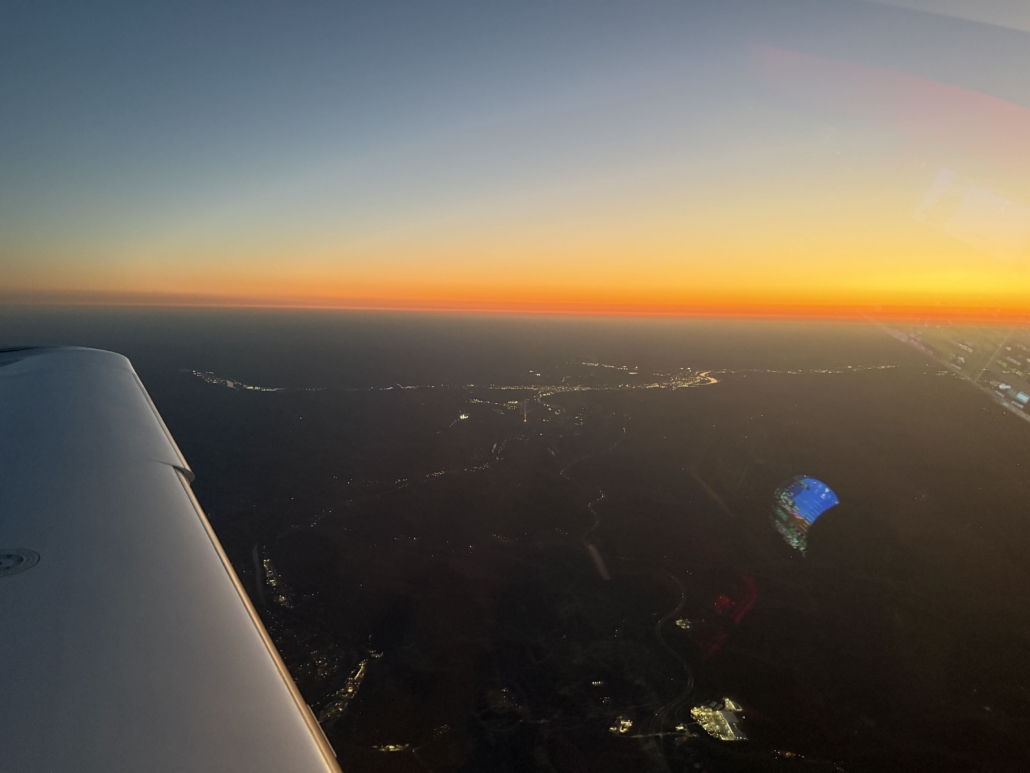
It’s not all doom and gloom with GA travel. I recently got some payback from Mother Nature when I flew an 800-mile trip in the Cirrus without seeing a single cloud or feeling a single bump. It was a spectacular day to fly, introduce a new person to the glories of small airplanes, and enjoy the freedom that only GA can offer. Watching the sun set over the Appalachians was a powerful reminder of why we put up with the cancellations, the endless weather briefings, and the backup airline plans. General aviation is magical when conditions are right—we just have to be patient enough to wait for them.
Quick reader poll
How much schedule flexibility do you typically build in to a GA trip?
The post Learning to accept the no-go decision appeared first on Air Facts Journal.
https://airfactsjournal.com/2026/10/learning-to-accept-the-no-go-decision/

#decision #airfacts #factsjournal #mothernature #learning #ifr
#rss #feeds #linksharing #qwibbit