Event JSON
{
"id": "ecdf084f3a3a345df7d4cc4d9ee99458c86363b5795770bfc1f806229fb23b60",
"pubkey": "2eab6364ce6177c1d9bdad2e0f5550d4c24a7b7fdb433d6cd382c5034d9059b1",
"created_at": 1748958896,
"kind": 1,
"tags": [
[
"t",
"portugal"
],
[
"t",
"amphibians"
],
[
"t",
"wetlands"
],
[
"imeta",
"url https://cdn.masto.host/scholarsocial/media_attachments/files/114/619/767/130/766/294/original/7876e3628cffa132.jpg",
"m image/jpeg",
"dim 1080x767",
"blurhash UJJHU6}uGT%1x]9GI:Tb-Bf$D%EL$+=}oyIV"
],
[
"proxy",
"https://scholar.social/users/animalculum/statuses/114619770208737508",
"activitypub"
],
[
"client",
"Mostr",
"31990:6be38f8c63df7dbf84db7ec4a6e6fbbd8d19dca3b980efad18585c46f04b26f9:mostr",
"wss://relay.mostr.pub"
]
],
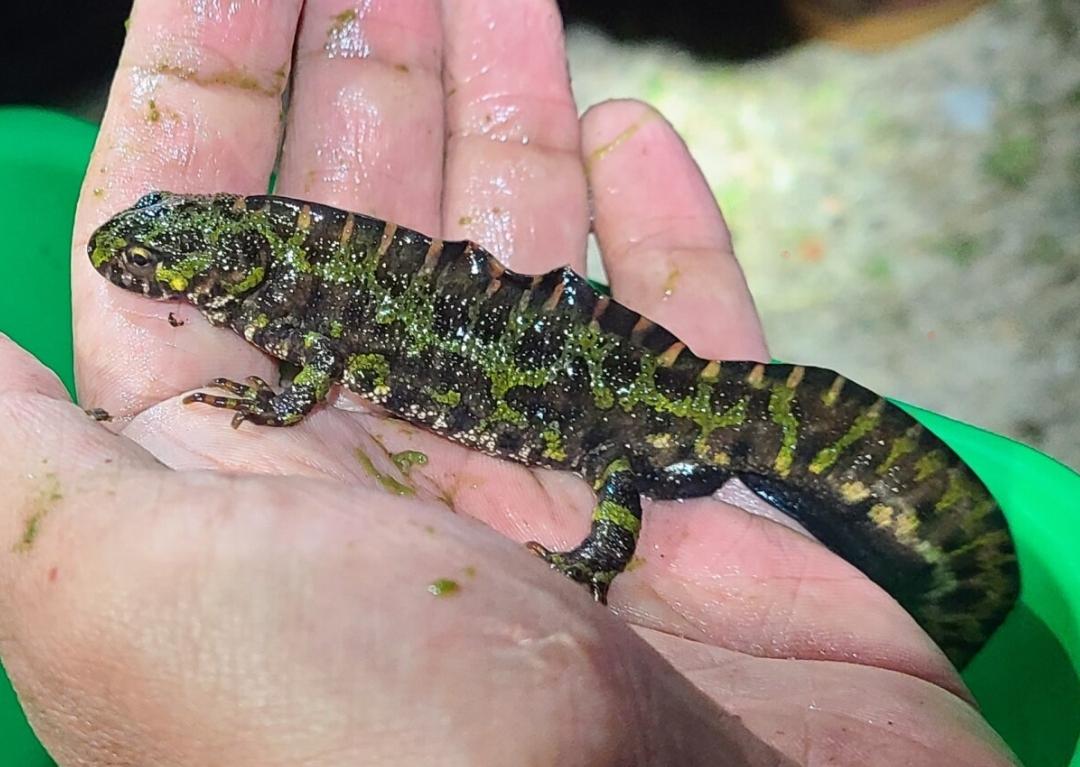
"content": "Historic village water tanks provide a lifeline for amphibians\nhttps://phys.org/news/2025-06-historic-village-tanks-lifeline-amphibians.html paper: https://esajournals.onlinelibrary.wiley.com/doi/10.1002/ecs2.70294\n\n\"In the quiet mountain villages of northern #Portugal, centuries-old stone water tanks and irrigation channels... are providing critical breeding and refuge sites for #amphibians, as natural #wetlands are increasingly under pressure... Surprisingly, these tanks even supported a higher diversity of species compared to natural habitat types.\"\n\nhttps://cdn.masto.host/scholarsocial/media_attachments/files/114/619/767/130/766/294/original/7876e3628cffa132.jpg",
"sig": "2dd2597dfc6af0cf26b22cb8eaff190be4b49d0c04c6b24d965833b7438c908f0b22a29c05292f4fea73edab75abf263e991fcb61cc5b1d42f4f5ff9036b950d"
}