Event JSON
{
"id": "b31f665a221a67dd7dcce663425bc43307a85221c24c9ea2386d3a5e1a7cb0d5",
"pubkey": "dfc732e7fc3b29ab95da9c7c2622ab93ff935f87139c557d14522c2f6a334426",
"created_at": 1757365212,
"kind": 1,
"tags": [
[
"proxy",
"https://moresci.sale/@birds/115170686591210914",
"web"
],
[
"imeta",
"url https://papers.moresci.sale/media_attachments/files/115/170/686/495/006/864/original/6001a02578642ed8.jpg",
"m image/jpeg"
],
[
"proxy",
"https://moresci.sale/users/birds/statuses/115170686591210914",
"activitypub"
],
[
"L",
"pink.momostr"
],
[
"l",
"pink.momostr.activitypub:https://moresci.sale/users/birds/statuses/115170686591210914",
"pink.momostr"
],
[
"-"
]
],
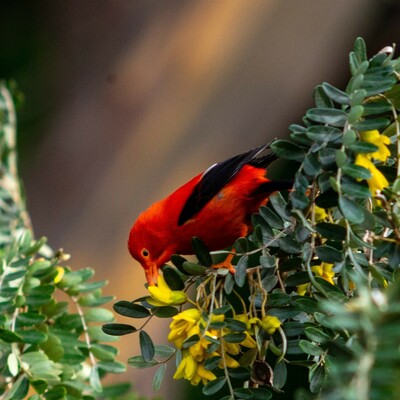
"content": "Black-faced Hawk\n\nSmallish chunky hawk. Identifiable by size, shape, and prominent black mask contrasting with orange cere. Generally rare. Inhabits wet forests where it hunts from the mid-level to the ground; often perches well below canopy level. Takes relatively small prey, chiefly frogs and snakes. Superficially similar to White Hawk but much smaller with orange (not blue-gray) cere; unlike White Hawk, Black-faced tends not to soar for long periods and is less frequently seen than White Hawk.\n\nLink: https://ebird.org/species/blfhaw1\nPhoto Location: Venezuela\nhttps://papers.moresci.sale/media_attachments/files/115/170/686/495/006/864/original/6001a02578642ed8.jpg\n",
"sig": "8f984ca17606e1591851dc8930d7bb348a2fae226b6060c4b6d5e8d6efeb8cbbe556963c0dcfbd566688943f65949eaa17f423e80367c66b21dfc74dbe79bd3b"
}