Event JSON
{
"id": "34c7fed07ec3d686ec2912564d838806c8f5412bf36f0dd1f5150a59ad7171f4",
"pubkey": "b2ecb8cb96bc62df25c5847725e90b0e21dc0afc7adcc51eb2746527da9392eb",
"created_at": 1793110187,
"kind": 1,
"tags": [
[
"imeta",
"url https://cdn.masto.host/urbanistssocial/media_attachments/files/117/513/267/530/064/584/original/5b35f61004f71dc6.jpeg",
"m image/jpeg"
],
[
"imeta",
"url https://cdn.masto.host/urbanistssocial/media_attachments/files/117/513/267/719/002/939/original/127c49d591c7b982.jpeg",
"m image/jpeg"
],
[
"proxy",
"https://urbanists.social/@straphanger/117513269216625051",
"web"
],
[
"proxy",
"https://urbanists.social/users/straphanger/statuses/117513269216625051",
"activitypub"
],
[
"L",
"pink.momostr"
],
[
"l",
"pink.momostr.activitypub:https://urbanists.social/users/straphanger/statuses/117513269216625051",
"pink.momostr"
],
[
"-"
]
],
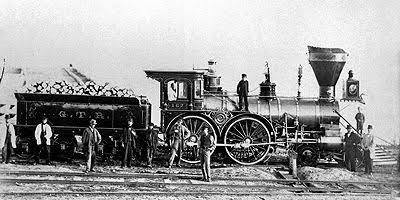
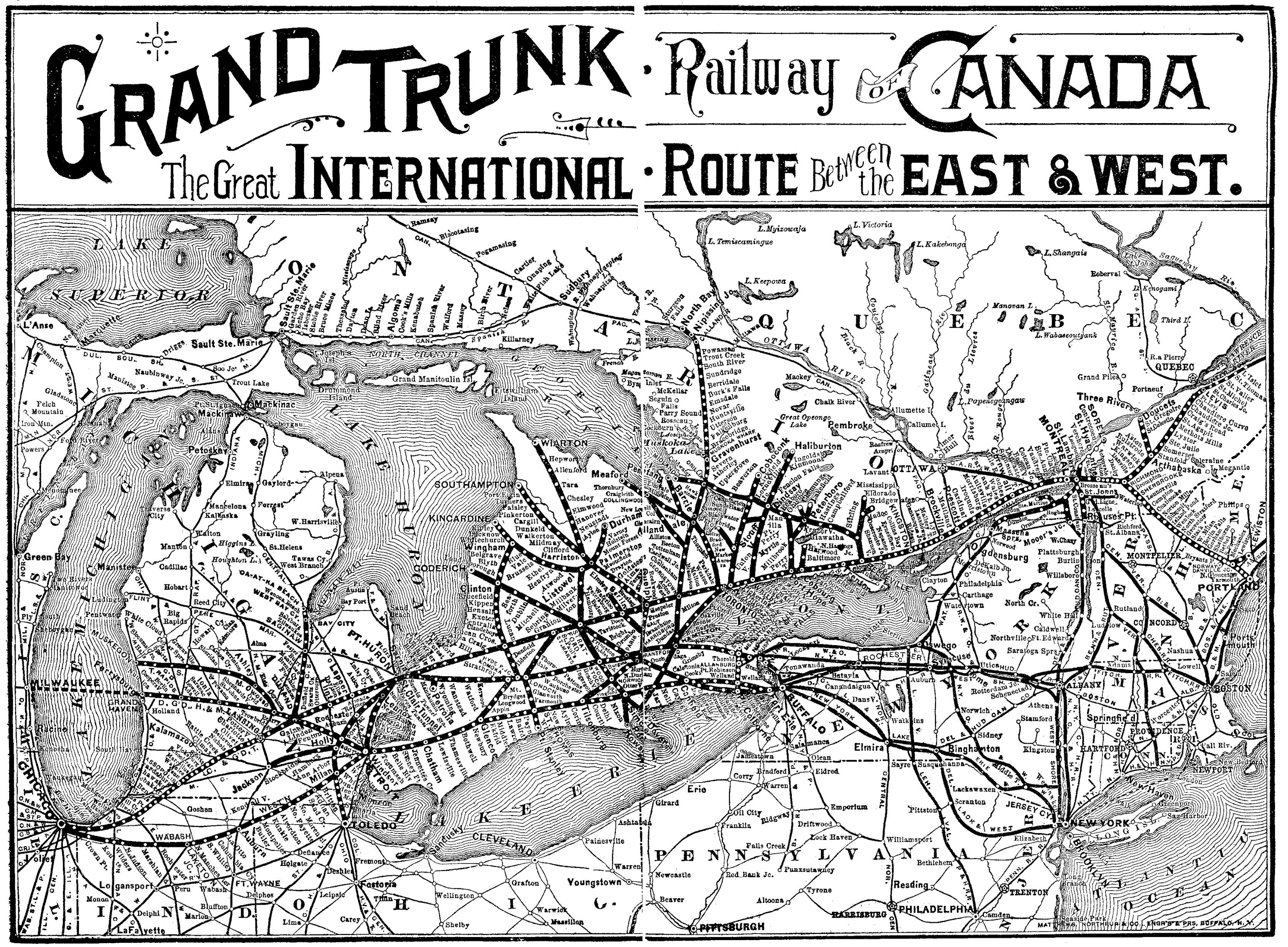
"content": "On this day, Oct. 27, in 1856, a wood-fed locomotive with a huge sparkcatcher hauled 7 yellow passenger coaches at 50 km/h between Montreal and Toronto. It made 64 stops along the way. \n\nFive months later, sleeping cars were introduced.\n\nThe Grand Trunk was Canada’s first mainline railway.\nhttps://cdn.masto.host/urbanistssocial/media_attachments/files/117/513/267/530/064/584/original/5b35f61004f71dc6.jpeg\nhttps://cdn.masto.host/urbanistssocial/media_attachments/files/117/513/267/719/002/939/original/127c49d591c7b982.jpeg\n",
"sig": "436454065303a8f83db44aa044f6ec884b760aff391018d5811ad62cb717e1b843451d31d948dced63ea0673802f2f968c03963e8b9008440d9ee43a036a605d"
}