Event JSON
{
"id": "08a2544b0388b0bed229c7150ab096bdaa64990b092f3291848aeff7b652b20c",
"pubkey": "05778fda326b3c716649a4d6e4a5905e6d6484eb1f1086821afd707517f073fd",
"created_at": 1752522286,
"kind": 1,
"tags": [
[
"imeta",
"url https://cdn.masto.host/urbanistssocial/media_attachments/files/114/853/300/299/408/917/original/f48db850befaa0bc.jpeg",
"m image/jpeg"
],
[
"proxy",
"https://urbanists.social/@urbandinosaurs/114853300561790160",
"web"
],
[
"t",
"astrophotography"
],
[
"imeta",
"url https://cdn.masto.host/urbanistssocial/media_attachments/files/114/853/300/011/497/339/original/cacc6bac91b8f123.jpeg",
"m image/jpeg"
],
[
"proxy",
"https://urbanists.social/users/urbandinosaurs/statuses/114853300561790160",
"activitypub"
],
[
"L",
"pink.momostr"
],
[
"l",
"pink.momostr.activitypub:https://urbanists.social/users/urbandinosaurs/statuses/114853300561790160",
"pink.momostr"
],
[
"-"
]
],
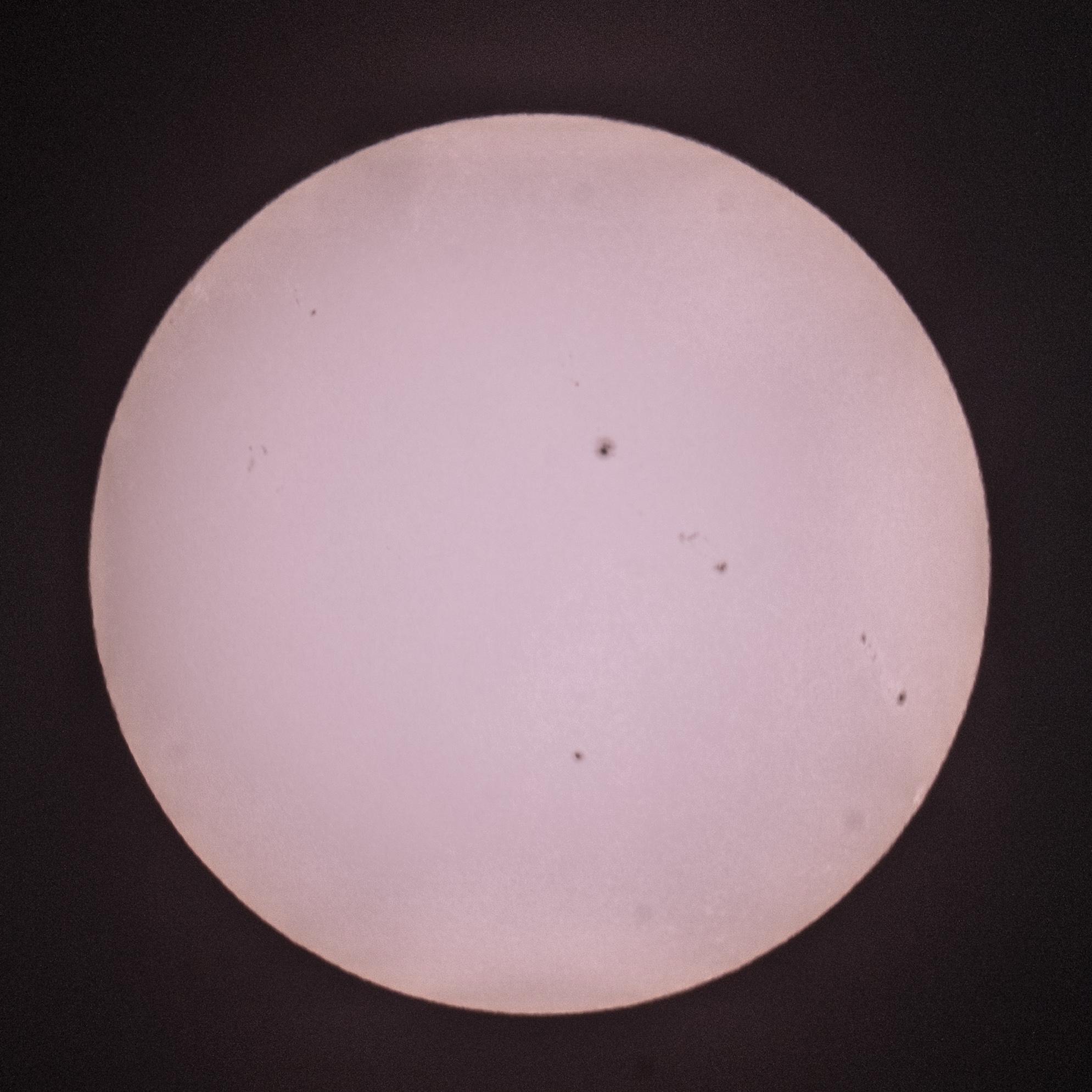
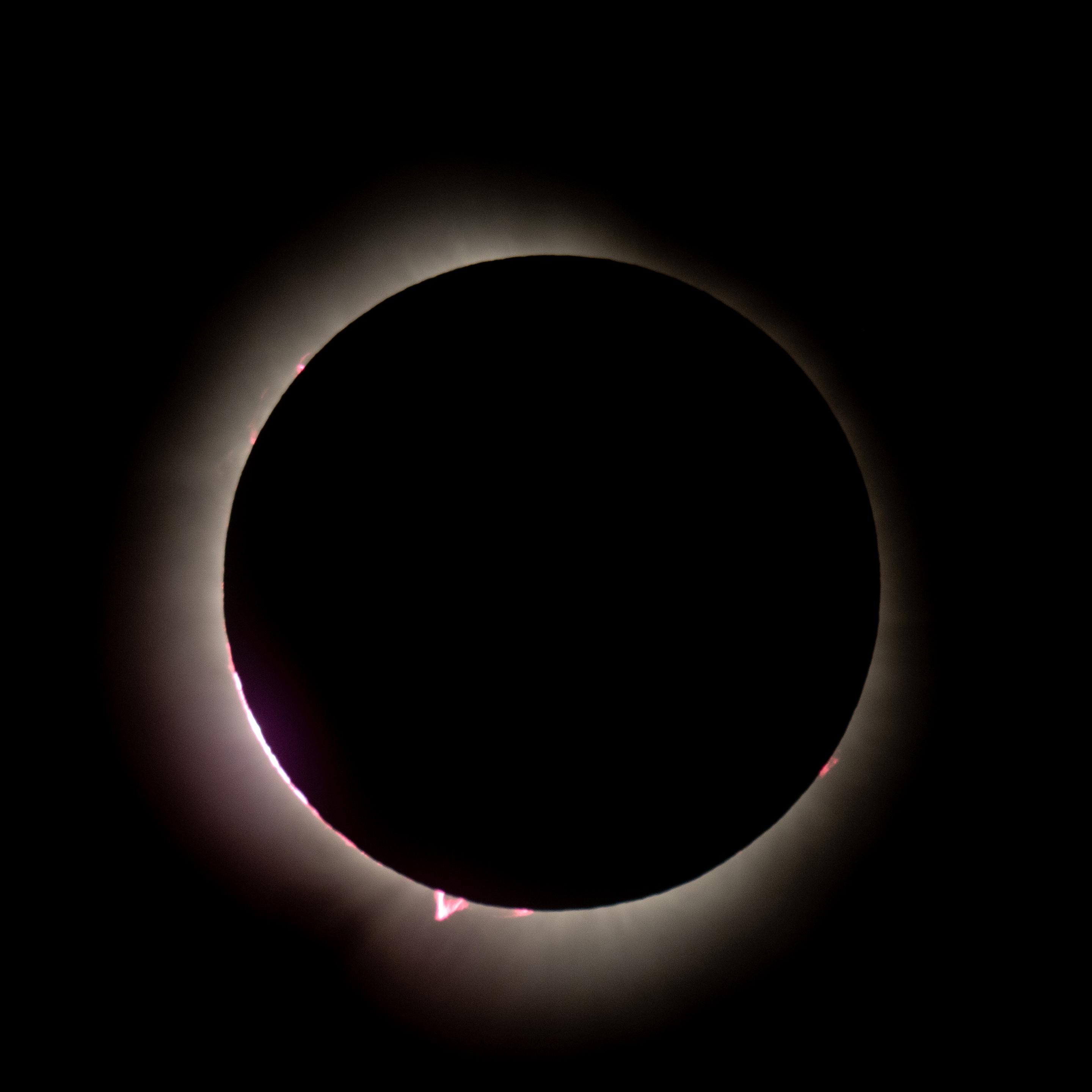
"content": "There was a report of a giant solar prominence on https://spaceweather.com/archive.php?view=1\u0026day=13\u0026month=07\u0026year=2025, so I decided to try to photograph it. No joy, but there was a lovely collection of sunspots. Then again, what I have is a camera with a solar filter, not a telescope with something like a H-alpha filter. The only times I've seen prominences has been during solar eclipses—the second picture is from April 2024.\n#astrophotography\nhttps://cdn.masto.host/urbanistssocial/media_attachments/files/114/853/300/011/497/339/original/cacc6bac91b8f123.jpeg\nhttps://cdn.masto.host/urbanistssocial/media_attachments/files/114/853/300/299/408/917/original/f48db850befaa0bc.jpeg\n",
"sig": "7c7bc9fa234a4a3fdd40b34f1aaaea9415e5a161c2ef6e41fe55a866d03af33f6b911f448c51a3f867b25480a5207df825bf587f2cb7d117e7993e995bd787f3"
}