Event JSON
{
"id": "95f3fd20ae4d8c280db19c0b7877462a14f7c76e080b2b511eb22bf4cd57687e",
"pubkey": "7dffac5ad489a6f470af8634771d9f4a35197d679bd606974efaa72b7d1a47a9",
"created_at": 1774370126,
"kind": 1,
"tags": [
[
"proxy",
"https://mastodon.social/@coreyspowell/116285120611406613",
"web"
],
[
"t",
"nasa"
],
[
"t",
"science"
],
[
"t",
"space"
],
[
"t",
"nature"
],
[
"imeta",
"url https://files.mastodon.social/media_attachments/files/116/285/119/051/006/531/original/906ec2c565bb52f2.png",
"m image/png"
],
[
"proxy",
"https://mastodon.social/users/coreyspowell/statuses/116285120611406613",
"activitypub"
],
[
"L",
"pink.momostr"
],
[
"l",
"pink.momostr.activitypub:https://mastodon.social/users/coreyspowell/statuses/116285120611406613",
"pink.momostr"
],
[
"-"
]
],
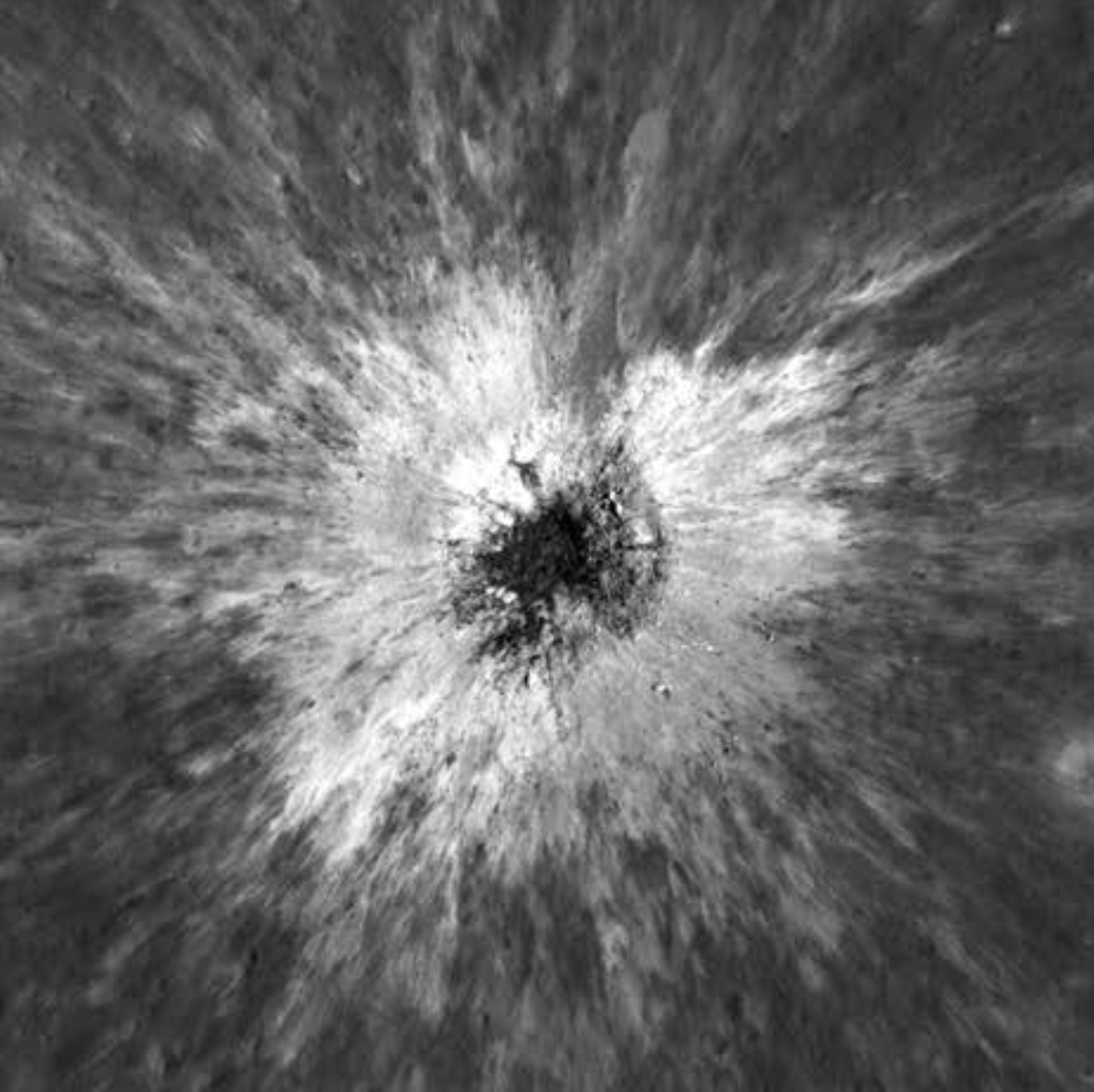
"content": "A new 225-meter (740-foot) crater appeared on the Moon while nobody was looking. NASA's lunar orbiter imaged the dramatic aftermath. \n\nSuch large impacts are once-in-a-century events. This one happened in the spring of 2024.\n\nhttps://www.sciencenews.org/article/moon-new-crater-nasa-orbiter #space #science #nature #nasa\nhttps://files.mastodon.social/media_attachments/files/116/285/119/051/006/531/original/906ec2c565bb52f2.png\n",
"sig": "d93ad2b7da115985979cb75c2712f71494178b71e56ea314341b5ce73c3d0a4563d3cec2494a5ba4e77484dc3e6a5c121010e98f5d6b2b47db6c34eaeea68fd5"
}