Event JSON
{
"id": "d814d51d04fbff7791e7629d3d7d9b34c1a98069c0f1acf103a1c116673e219b",
"pubkey": "2eab6364ce6177c1d9bdad2e0f5550d4c24a7b7fdb433d6cd382c5034d9059b1",
"created_at": 1762375383,
"kind": 1,
"tags": [
[
"t",
"spiders"
],
[
"t",
"microbes"
],
[
"t",
"insects"
],
[
"imeta",
"url https://cdn.masto.host/scholarsocial/media_attachments/files/115/499/029/476/187/372/original/ea12322e102f09b0.jpg",
"m image/jpeg",
"dim 1169x811",
"blurhash UJC6x@_ND%D%t7ofa}ofD%V@xuofaea|jtWB"
],
[
"proxy",
"https://scholar.social/users/animalculum/statuses/115499033161714968",
"activitypub"
],
[
"client",
"Mostr",
"31990:6be38f8c63df7dbf84db7ec4a6e6fbbd8d19dca3b980efad18585c46f04b26f9:mostr",
"wss://relay.ditto.pub/"
]
],
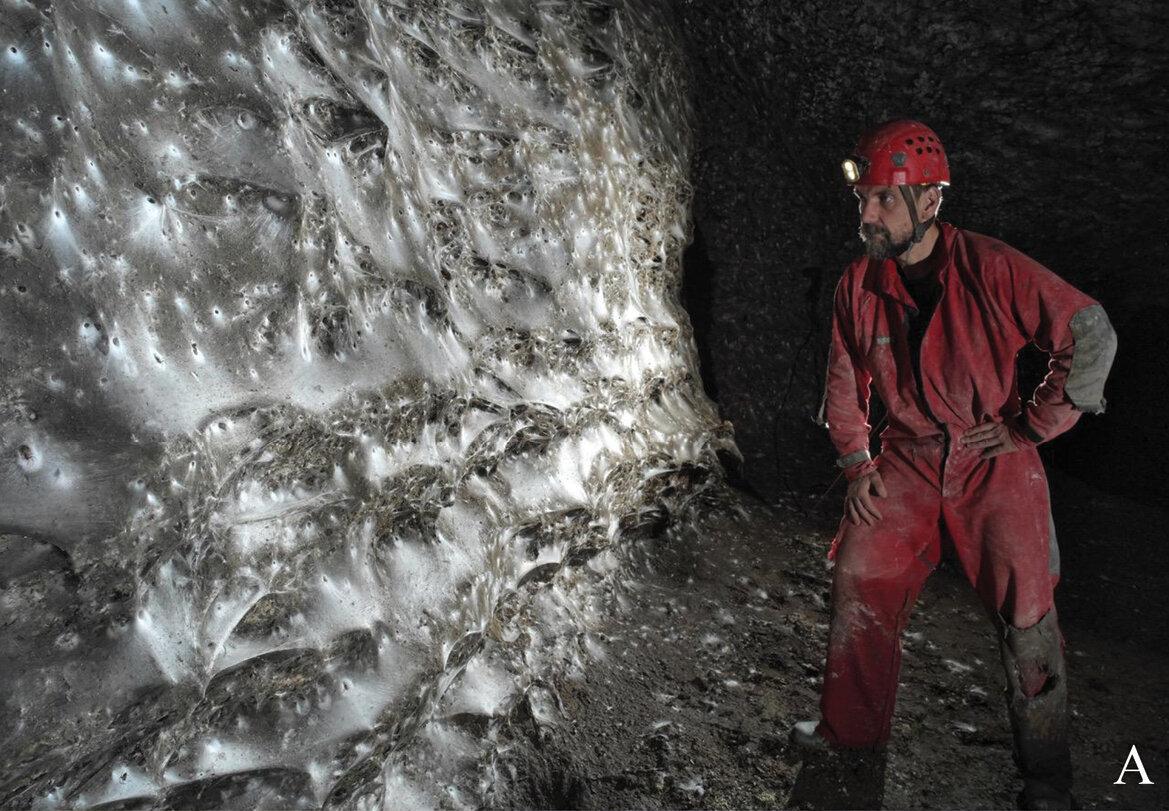
"content": "Sulfur cave #spiders build an arachnid megacity and possibly the largest-ever spider web https://phys.org/news/2025-11-sulfur-cave-spiders-arachnid-megacity.html\n\nAn extraordinary colonial spider community in Sulfur Cave sustained by chemoautotrophy https://subtbiol.pensoft.net/article/162344/\n\n\"the entire food chain is powered by sulfur-oxidizing #microbes that thrive in the cave system and are consumed by tiny non-biting midges. These small #insects are easily caught in the web, providing an abundant, continuous food source\"\n\nhttps://cdn.masto.host/scholarsocial/media_attachments/files/115/499/029/476/187/372/original/ea12322e102f09b0.jpg",
"sig": "9b4f3bcced1bafee50cb4db2d09fa8bdbae04361872a219c66f647f906c9cb11e34a6b4960e84f44b7ee162fcbf40f90ea14cc9b17e5a0d88a62987d012f0377"
}