Event JSON
{
"id": "d48d2c7921be3aff635992306f438c443aeea4dd53d7282eec180012ebc5a59b",
"pubkey": "b86894af7f544cdad086d4ec01384e91512f484914e6141795547f21268740dd",
"created_at": 1791901504,
"kind": 1,
"tags": [
[
"t",
"ocean"
],
[
"t",
"marinesnow"
],
[
"t",
"science"
],
[
"imeta",
"url https://s3.eu-central-2.wasabisys.com/mastodonworld/media_attachments/files/117/434/055/796/046/137/original/63bb001aa277f9d1.png",
"m image/png",
"dim 2000x983",
"blurhash UbIi8%bDxc$,_MbaRnV[^+oeW;W=-qjIk8bY"
],
[
"proxy",
"https://mastodon.world/users/ombialik/statuses/117434057003095115",
"activitypub"
],
[
"client",
"Mostr",
"31990:6be38f8c63df7dbf84db7ec4a6e6fbbd8d19dca3b980efad18585c46f04b26f9:mostr",
"wss://relay.ditto.pub"
]
],
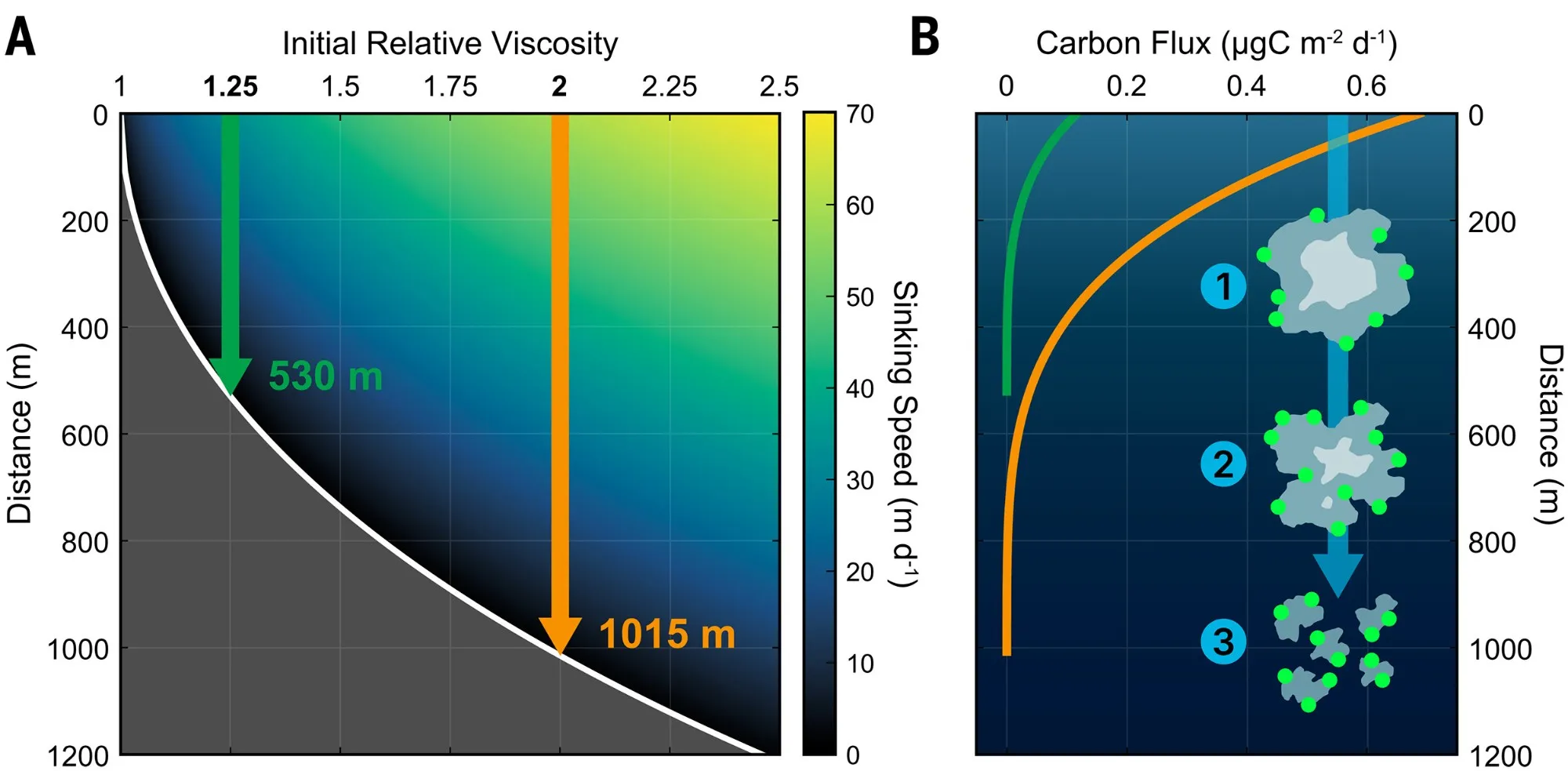
"content": "Marine snow is one of the main ways carbon makes if from the ocean's surface to it's floor. But not all marine snow is made the same. The larger and gooier the clumps it forms, the higher the chance it'll actually make it to the seafloor.\n\nLink: https://www.science.org/doi/10.1126/science.adx4170\n\n#Ocean #MarineSnow #Science\n\nhttps://s3.eu-central-2.wasabisys.com/mastodonworld/media_attachments/files/117/434/055/796/046/137/original/63bb001aa277f9d1.png",
"sig": "8cccb7c19d4f2cef005a81d75c09e76560143d8e3223bec0b78a707f343644e9429a0b1fa29d5dad5652d848fe2eb110b5932e9143ba79265e47fd6e7f300a66"
}