Event JSON
{
"id": "7124e97c511e898fb58c992ec0e029f1c7f7bb7f82cb595b6b782034e952a07c",
"pubkey": "dfc732e7fc3b29ab95da9c7c2622ab93ff935f87139c557d14522c2f6a334426",
"created_at": 1758517217,
"kind": 1,
"tags": [
[
"imeta",
"url https://papers.moresci.sale/media_attachments/files/115/246/184/034/473/139/original/93ce46a819068a97.jpg",
"m image/jpeg"
],
[
"proxy",
"https://moresci.sale/@birds/115246184341047294",
"web"
],
[
"proxy",
"https://moresci.sale/users/birds/statuses/115246184341047294",
"activitypub"
],
[
"L",
"pink.momostr"
],
[
"l",
"pink.momostr.activitypub:https://moresci.sale/users/birds/statuses/115246184341047294",
"pink.momostr"
],
[
"-"
]
],
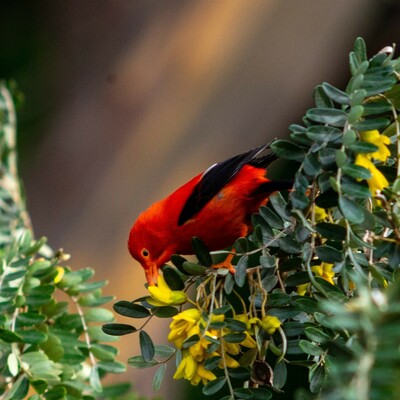
"content": "Ceara Woodcreeper\n\nSmall, slim woodcreeper with a thin slightly decurved bill. Found in humid forests, where it regularly follows mixed-species flocks. The rufous-brown body is heavily marked with drop-shaped spots on the breast, head, and back. Separated from Lesser Woodcreeper by range, blurry streaks on belly, and olive-yellow eyering, eyestripe, and throat.\n\nLink: https://ebird.org/species/leswoo4\nPhoto Location: Brazil\nhttps://papers.moresci.sale/media_attachments/files/115/246/184/034/473/139/original/93ce46a819068a97.jpg\n",
"sig": "894e999015e1144ad136269de9b36932a6987f0e2e23adaaee4c7502c8a193fe6880fa3882b3e1c3761a9ed4082b42c2c8e7289062324322f86427b3ddf58815"
}