Event JSON
{
"id": "7b654b5448e9117cd92a0c9bdcde473784ea02e175d4bb531a5b624e69ab4381",
"pubkey": "99f4e0c751fefe758c26a2bc21abbe0a03857b6b9f338d7952aa881a19bafc7b",
"created_at": 1791206493,
"kind": 1,
"tags": [
[
"imeta",
"url https://media.mstdn.social/media_attachments/files/117/388/507/966/448/417/original/760080c6c5407a6c.jpg",
"m image/jpeg"
],
[
"proxy",
"https://mstdn.social/@History_of_Geology/117388508764646239",
"web"
],
[
"imeta",
"url https://media.mstdn.social/media_attachments/files/117/388/508/485/970/330/original/ca6c4348579a28d0.jpg",
"m image/jpeg"
],
[
"proxy",
"https://mstdn.social/users/History_of_Geology/statuses/117388508764646239",
"activitypub"
],
[
"L",
"pink.momostr"
],
[
"l",
"pink.momostr.activitypub:https://mstdn.social/users/History_of_Geology/statuses/117388508764646239",
"pink.momostr"
],
[
"-"
]
],
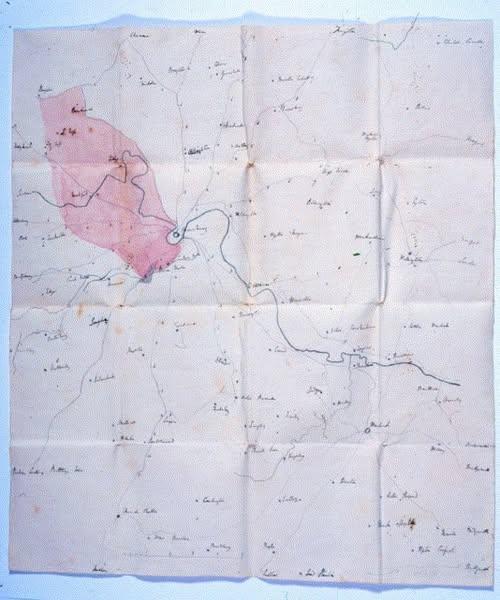
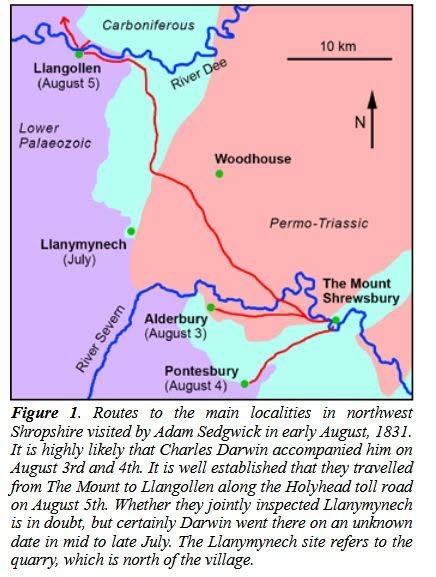
"content": "Late in the night between October 4th and in the early hours of October 5th, 1836, after 5 years geologizing around the world, Charles Darwin returns back home to Shrewsbury, Shropshire.\n\nDarwin's first geologcial map he made in summer 1831, just before the voyage of the Beagle, shows his hometown's surroundings - it seems he was especially interested in Carboniferous - Permian rocks mapping their extend to the north-west of the town.\nhttps://media.mstdn.social/media_attachments/files/117/388/507/966/448/417/original/760080c6c5407a6c.jpg\nhttps://media.mstdn.social/media_attachments/files/117/388/508/485/970/330/original/ca6c4348579a28d0.jpg\n",
"sig": "82b76c710d3c32874dd9b1b3e756828925e9b77bdac49250ebcadb0f8722a8ab38d90981b504026643195f5ea368a842ec80f325682442cfec3e21b9d3861cd2"
}