Event JSON
{
"id": "7f4d05b0641dcdeac2030cc340ebac4cb38b51b19d92c1dcc821975e2b6b4755",
"pubkey": "894dfb8e81fbea70ef2ce2a2cc306069ff39e80b2881775df3dbe035359080c2",
"created_at": 1776245677,
"kind": 1,
"tags": [
[
"imeta",
"url https://files.mastodon.social/media_attachments/files/116/408/026/479/154/542/original/3f81400f86421c1f.jpg",
"m image/jpeg"
],
[
"t",
"language"
],
[
"proxy",
"https://mastodon.social/@gutenberg_org/116408036693195047",
"web"
],
[
"t",
"books"
],
[
"t",
"literature"
],
[
"proxy",
"https://mastodon.social/users/gutenberg_org/statuses/116408036693195047",
"activitypub"
],
[
"L",
"pink.momostr"
],
[
"l",
"pink.momostr.activitypub:https://mastodon.social/users/gutenberg_org/statuses/116408036693195047",
"pink.momostr"
],
[
"-"
]
],
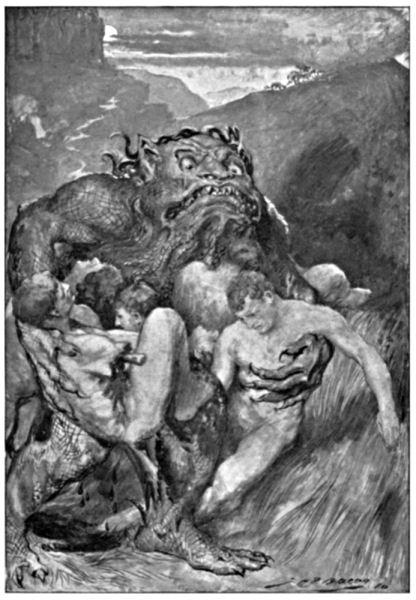
"content": "Wit, unker, git: The lost medieval pronouns of English intimacy\n\nTales of love and adventure from 1,000 years ago reveal a dazzling range of now-extinct English pronouns. They capture something unique about how people once thought about \"two-ness\". But why did they die out in the first place?\n\nBy Sophie Hardach\n\nhttps://www.bbc.co.uk/future/article/20260408-the-extinct-english-words-for-just-the-two-of-us\n\n#books #literature #language\nhttps://files.mastodon.social/media_attachments/files/116/408/026/479/154/542/original/3f81400f86421c1f.jpg\n",
"sig": "0e536a8486f177205d390f001dffce5579dee09aa2f71fac433ef8835e5884cba3f431b81c652f22334b290c82d0dc1984997266a198feacf53b6b9507214043"
}