Event JSON
{
"id": "ada3edcf46ce9d06c25fbb4f625fac9a57a22f2ba10863ec8502c10b9b819320",
"pubkey": "b86894af7f544cdad086d4ec01384e91512f484914e6141795547f21268740dd",
"created_at": 1792161076,
"kind": 1,
"tags": [
[
"t",
"reef"
],
[
"t",
"ocean"
],
[
"t",
"Waves"
],
[
"imeta",
"url https://s3.eu-central-2.wasabisys.com/mastodonworld/media_attachments/files/117/451/067/789/838/355/original/89ad2c8641ada6c6.png",
"m image/png",
"dim 2000x936",
"blurhash UJGSDl%hWBj]K8E2adk99}Si%2kB_4Nes,RP"
],
[
"proxy",
"https://mastodon.world/users/ombialik/statuses/117451068309910652",
"activitypub"
],
[
"client",
"Mostr",
"31990:6be38f8c63df7dbf84db7ec4a6e6fbbd8d19dca3b980efad18585c46f04b26f9:mostr",
"wss://relay.ditto.pub"
]
],
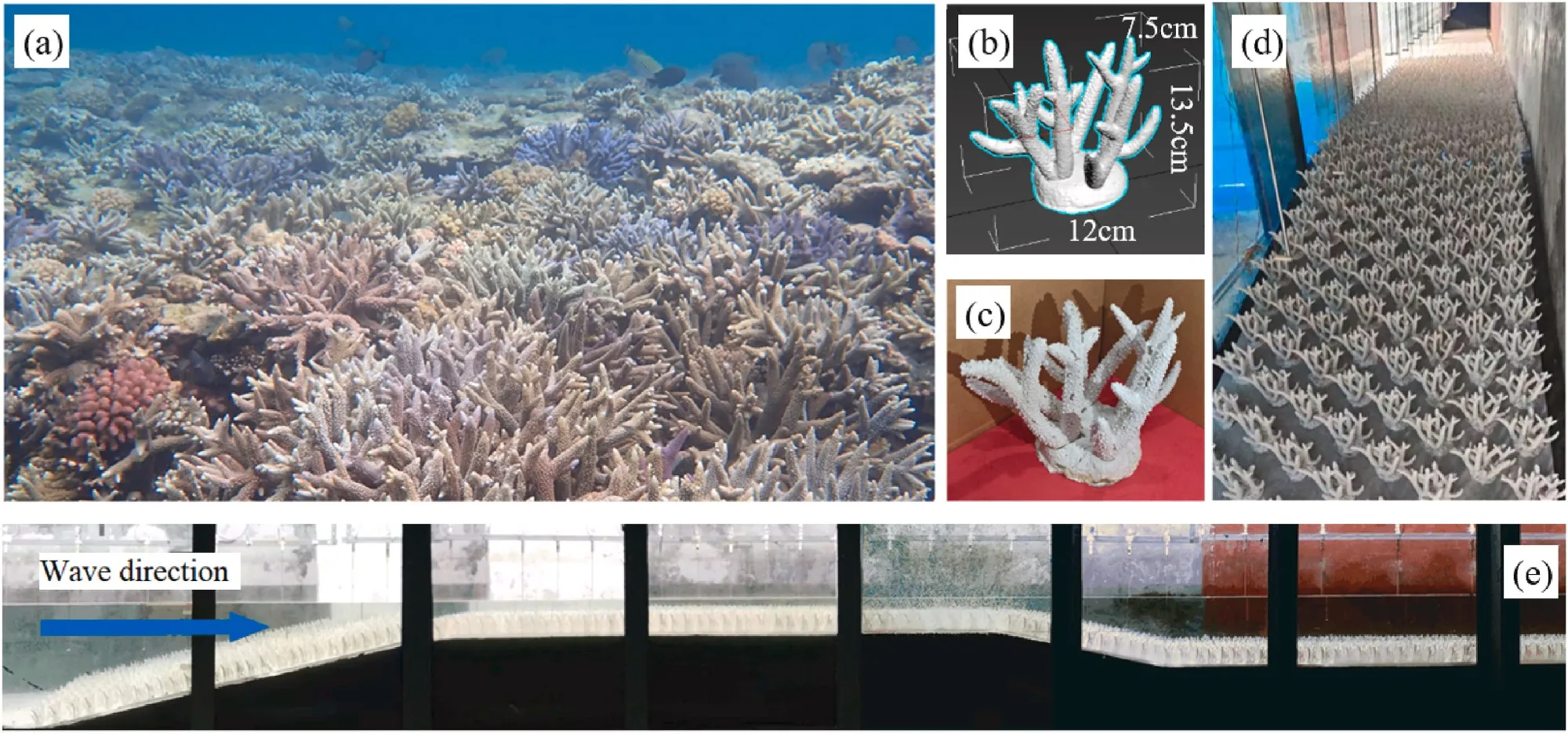
"content": "Reef degradation has compound effects. Once you start losing some of the corals, more waves can get through, and those can further the ongoing trend as stronger waves affect the back reef. \n\nLink: https://www.sciencedirect.com/science/article/pii/S0378383926001547\n\n#Reef #Ocean #Waves\n\nhttps://s3.eu-central-2.wasabisys.com/mastodonworld/media_attachments/files/117/451/067/789/838/355/original/89ad2c8641ada6c6.png",
"sig": "1b3b5cfcbc48f755b22f75c488f1ac79834d4d2b5ce5d2eb1bde7ef814d25014f70720e26e26e3b1e7b1ea7ccf39c7686232414fef7abbd8fd80979ffa8688ae"
}