Event JSON
{
"id": "f9a5ab0fa74b1bb9d64da10fbb36796295d184bfe9011c84f8a910a17c0ad120",
"pubkey": "1e219624404cb46159e3ec93d4ae1305535765c46a48669795d4b17ac0cbee9e",
"created_at": 1761911191,
"kind": 1,
"tags": [
[
"proxy",
"https://infosec.exchange/@trailofbits/115468611816614966",
"web"
],
[
"imeta",
"url https://media.infosec.exchange/infosec.exchange/media_attachments/files/115/468/611/734/083/662/original/5d7720f587b7f256.png",
"m image/png"
],
[
"proxy",
"https://infosec.exchange/users/trailofbits/statuses/115468611816614966",
"activitypub"
],
[
"L",
"pink.momostr"
],
[
"l",
"pink.momostr.activitypub:https://infosec.exchange/users/trailofbits/statuses/115468611816614966",
"pink.momostr"
],
[
"-"
]
],
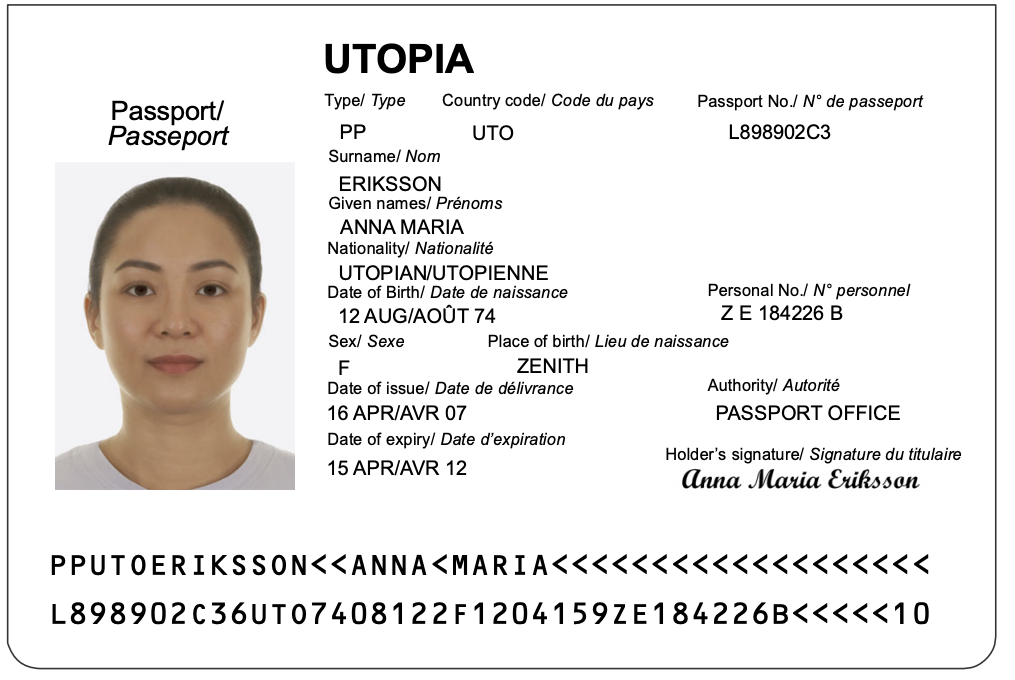
"content": "This week's deep dive: The Cryptography Behind Passports \n\nYour passport is a computer with its own filesystem and cryptographic protocols designed to prevent unauthorized reading, eavesdropping, forgery, and copying. However, passports remain in circulation for 5-10 years, so the legacy protocols become security risks.\n\nLearn about how electronic passports work, security risks, and novel use cases: https://blog.trailofbits.com/2025/10/31/the-cryptography-behind-electronic-passports/\nhttps://media.infosec.exchange/infosec.exchange/media_attachments/files/115/468/611/734/083/662/original/5d7720f587b7f256.png\n",
"sig": "aa5b08caeeb434084bbf4909f202518e521dff513a7295d24b707b131bcd52893ef63b54eb6ce52296324a6d7e8194e0290a0ae811da8007387b59f01bd95209"
}