Event JSON
{
"id": "f50c5c81df8bfebb9360829bb1b354c4a32eba829903b64f8b744663d24d7fc3",
"pubkey": "f06c0d239b29f2884d1a345bd1e120125610976d968e6002bb324116b70fc39e",
"created_at": 1738708264,
"kind": 1,
"tags": [
[
"proxy",
"https://m.universetoday.com/@fraser/113947984826769847",
"web"
],
[
"imeta",
"url https://m.universetoday.com/system/media_attachments/files/113/947/984/806/974/589/original/bd0eef3dc0676ffc.jpg",
"m image/jpeg"
],
[
"proxy",
"https://m.universetoday.com/users/fraser/statuses/113947984826769847",
"activitypub"
],
[
"L",
"pink.momostr"
],
[
"l",
"pink.momostr.activitypub:https://m.universetoday.com/users/fraser/statuses/113947984826769847",
"pink.momostr"
],
[
"-"
]
],
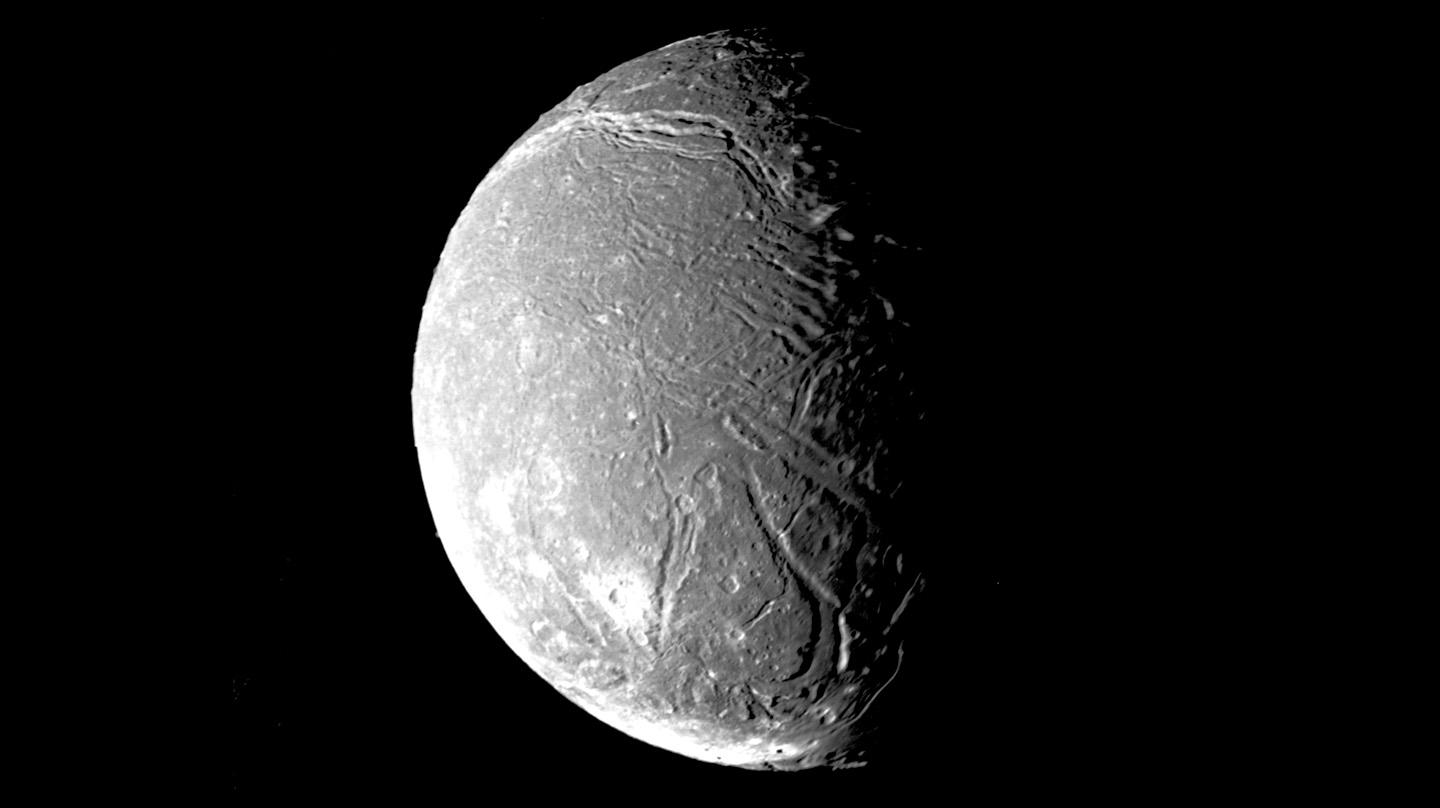
"content": "It's been decades since Voyager 2 made humanity's one and only flyby of Uranus, imaging the ice giant planet and its moons. Planetary scientists continue to pore over the images and data, searching for insights. One interesting new discovery comes from further analysis of the deep trenches that cut through the bottom of Ariel's canyons. They appear to contain upwelling material, like the ridges deep in Earth's oceans, and could give us a hint at the moon's interior.\n\nhttps://www.jhuapl.edu/news/news-releases/250203-uranus-moon-ariel-medial-grooves-window-to-interior-subsurface-ocean\nhttps://m.universetoday.com/system/media_attachments/files/113/947/984/806/974/589/original/bd0eef3dc0676ffc.jpg\n",
"sig": "3a059ad2566cd717ea2eedbc63b3c162e3364e805029250415e7e83201b277cf37bd2680184659903823fab4874110b2cd095f78e48591a13ca60f9cd077630e"
}